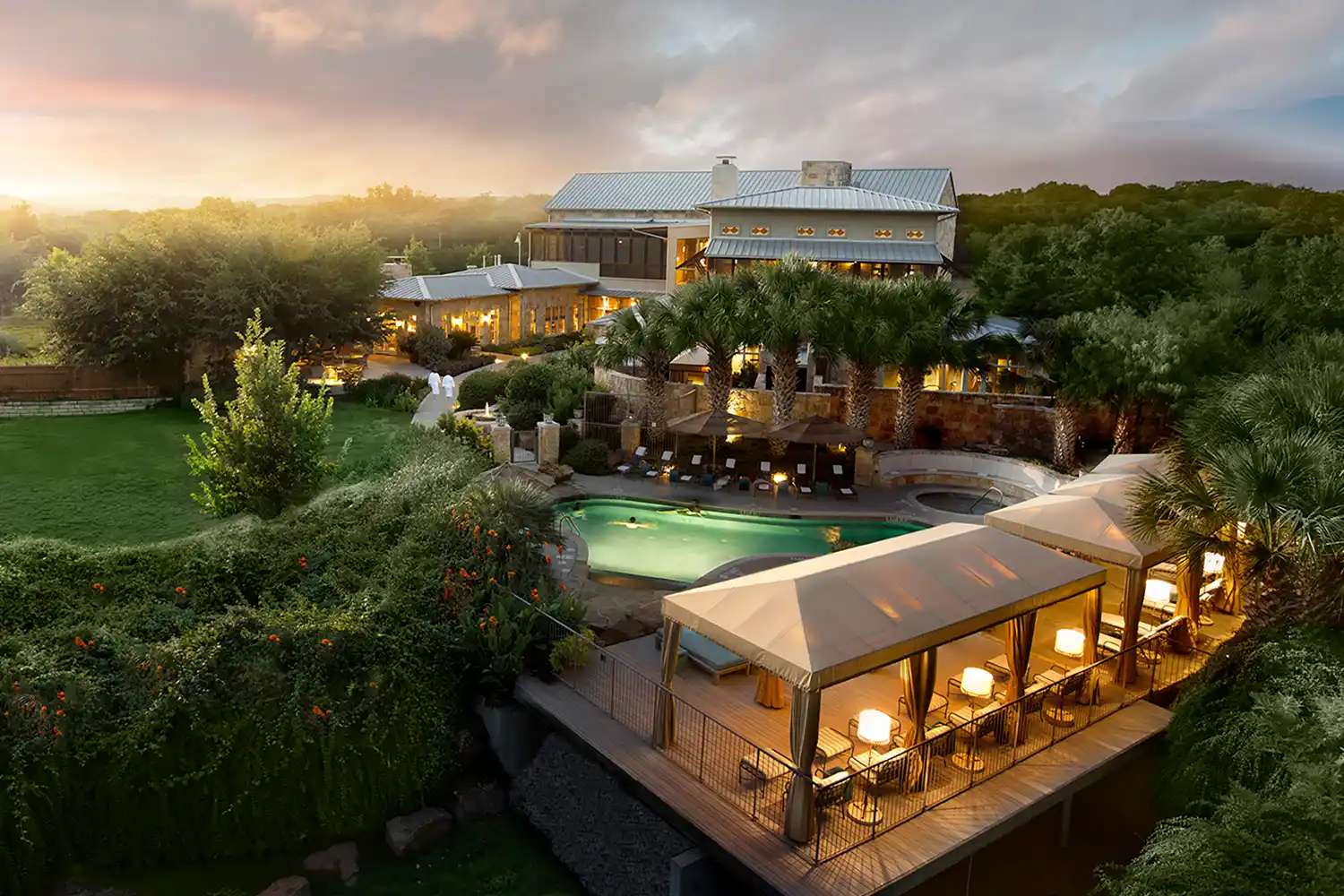
Best lakeside luxury hotels in the us: An operational audit of water-centric assets.
The allure of the lake is primal, rooted in the human desire for stillness, clarity, and connection to the water table. However, the hospitality properties that monetize this desire operate within a brutal mechanical reality. Water, while aesthetically restorative, is structurally corrosive. The maintenance of high-end lakeside assets requires a constant, invisible battle against humidity, soil erosion, and the logistical friction of managing remote or environmentally sensitive locations. To identify the best lakeside luxury hotels in the us requires a diagnostic mindset that values operational resilience over photographic appeal.
A lakeside asset is fundamentally different from an urban or coastal one. It does not contend with the salt-air oxidation of the ocean, nor the grid-density of the city. Instead, it fights a war of attrition against moisture-driven structural decay and the unique micro-climates that large bodies of water create. When evaluating these properties, the superficial metrics of interior design and culinary offerings are secondary to the structural integrity and environmental management systems of the building envelope.
This article functions as a professional audit of the high-end lakeside hospitality sector. It is designed for the discerning traveler and asset-conscious stakeholder who understands that the quality of their experience is irrevocably tied to the quality of the building’s management. By dismantling the marketing narratives that characterize the industry, we can establish a framework for selecting properties that offer genuine stability, privacy, and long-term functional excellence.
Understanding “best lakeside luxury hotels in the us”
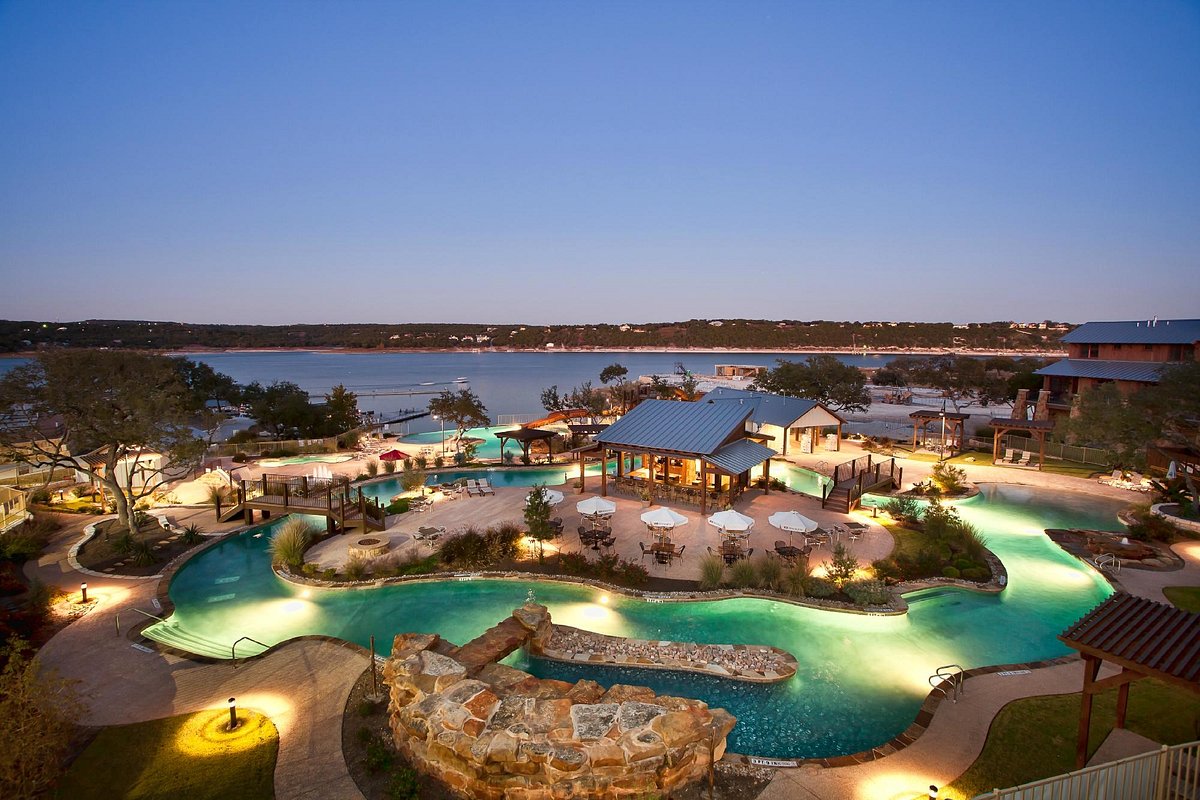
The classification of best lakeside luxury hotels in the us is often distorted by the tourism industry’s reliance on “vibe-based” marketing. A property may feature excellent landscaping, yet if it fails to manage the humidity levels within the room, it is not a luxury asset—it is a functional failure. The primary misunderstanding is that luxury is defined by the age or beauty of the architecture. In the context of lakeside hospitality, luxury is defined by the property’s ability to create a “climate-controlled sanctuary” that feels integrated with the lake while remaining entirely protected from its environmental volatility.
Oversimplification poses a significant risk to the selection process. One might assume that all luxury properties on a lake provide similar levels of comfort. This ignores the vast disparity in mechanical infrastructure. A property built in the 1920s, even if renovated, requires entirely different maintenance protocols than a 2020-built structure. The former is a complex puzzle of legacy piping and moisture-retention issues; the latter is a test of material science and airtight envelope design.
Furthermore, there is a systemic failure in the “remote-luxury” model. Many of the most visually stunning locations are, by definition, logistically isolated. This creates a high-friction environment for the property’s supply chain. If a resort cannot maintain the consistency of its service because it takes six hours to receive a specialized repair part or a fresh food delivery, it cannot reliably deliver the “luxury” experience it advertises. Understanding the trade-off between the beauty of isolation and the necessity of operational accessibility is the only way to effectively rank these assets.
Deep Contextual Background: The Evolution of Aquatic Retreats
The history of the lakeside hotel in America is deeply tied to the Industrial Revolution and the subsequent rise of the leisure class. Early properties, particularly in the Adirondacks or the Great Lakes region, were designed as “summer camps” for the wealthy—structures meant for ventilation and seasonal use. They were never intended to be year-round, climate-controlled environments.
In the mid-20th century, the expansion of the highway system and the normalization of HVAC technology allowed for the commercialization of these lakeside assets. We entered the “Resort Expansion” era, where the goal was density. Many historic properties were expanded haphazardly, leading to a complex web of structural, plumbing, and electrical retrofits that define the current operational headaches of many legacy lodges.
We are now in the “Precision Era.” The modern iteration of the best lakeside luxury hotels in the us is shifting toward modularity, high-performance building envelopes, and biophilic design. These properties are no longer just “on the lake”; they are engineered with the lake. They utilize geothermal heating and cooling, advanced water reclamation systems, and high-impact glazing that maximizes the view without sacrificing thermal efficiency. This transition represents the professionalization of the sector, where the resort is managed as a high-performance facility rather than a romanticized retreat.
Conceptual Frameworks and Mental Models
To analyze these properties with professional rigor, apply the following frameworks:
-
The Moisture Equilibrium Model: Every lakeside structure is a humidity regulator. An asset is failing if you, as the guest, notice the dampness or the smell of stagnant water within the room. A high-performing asset creates a dry, crisp environment regardless of the external lake humidity.
-
The Logistical Friction Index: How many “hops” does it take to get a supply truck from the nearest major city to the property? High-friction locations are inherently less reliable, requiring greater on-site redundancies in power, food storage, and waste management.
-
The View-Shed Utility Ratio: Does the property prioritize the view to the detriment of the room’s climate control? (e.g., floor-to-ceiling glass that creates a greenhouse effect in the afternoon). True luxury is a room that maximizes the view while maintaining an absolute temperature set-point.
Key Categories and Variations of Asset Profiles
When evaluating the market, classify properties based on their operational dependency and geographic profile.
| Category | Typical Landscape | Operational Focus | Primary Trade-off |
| The Historic Grand Lodge | Mountain Lake | Tradition/Volume | High maintenance/Systemic aging |
| The Modernist Sanctuary | Deep Forest/Lake | Design/Efficiency | High capital cost/Strict rules |
| The Island/Peninsula Resort | Large Lake | Seclusion/Exclusivity | Extreme logistical friction |
| The Regional Resort Hub | Accessible Lake | Connectivity/Services | High noise/Loss of intimacy |
Realistic decision logic dictates that for mission-critical travel—such as a corporate retreat or a high-stakes strategy session—one should prioritize the Regional Resort Hub for its infrastructure redundancy. For personal restoration, the Modernist Sanctuary offers superior environmental control and privacy.
Detailed Real-World Scenarios
Scenario 1: The High-Connectivity Retreat
A team requires a workspace for a week-long off-site.
-
Constraint: Absolute necessity for high-bandwidth, stable internet and climate-controlled meeting spaces.
-
Decision: The team selects a regional resort that, while less “quaint” than a historic lodge, features modern hard-wired infrastructure and redundant power systems.
-
Failure Mode: If they had chosen a “secluded” lodge with satellite-based internet, the project would have stalled due to connection latency.
Scenario 2: The Infrastructure Failure
A regional storm creates localized power outages.
-
Constraint: Guest comfort must be maintained despite grid failure.
-
Decision: A guest at a property with documented on-site, automated backup generation and water storage continues their stay unaffected.
-
Second-Order Effect: Because they chose a high-performing asset, they avoid the “service collapse” that hits lower-tier resorts when the grid goes down (e.g., loss of A/C, refrigeration, and potable water).
Planning, Cost, and Resource Dynamics
The “Total Cost of Presence” at a lakeside resort is often obfuscated by aggressive marketing. One must analyze the variables that go beyond the base room rate.
-
Direct Costs: Room rate and resort fees.
-
Infrastructure Surcharges: Many resorts bake the cost of remote maintenance into their nightly rate.
-
Logistical Time-Cost: The time lost navigating to an isolated property is a tangible cost, especially if the resort lacks on-site amenities to compensate for its remoteness.
| Cost Variable | Financial Impact | Variable Type |
| Base Rate | Predictable | Fixed |
| Service/Resort Fees | Variable | Obfuscated |
| Transit/Logistics | High | Indirect/Fixed |
| Climate/Maintenance Quality | High | Latent |
Tools, Strategies, and Support Systems
-
The “Pre-Arrival Infrastructure Audit”: Contact the property’s Director of Engineering or Sales. Ask: “What is your backup power capacity for the guest rooms during a peak-load event?” If they cannot answer, the asset is high-risk.
-
The Shoulder-Season Advantage: Lake properties are seasonal beasts. Visiting in the shoulder seasons (spring/fall) provides the best balance of temperature and service responsiveness.
-
Local Expertise: Engage a travel advisor who specifically audits the maintenance cycles of lakeside properties. They know which resorts are currently experiencing “infrastructure lag.”
-
Operational Vetting: Look for recent (within 3-5 years) major capital expenditures. A property that hasn’t refreshed its HVAC or IT systems in a decade is an operational ticking clock.
Risk Landscape and Failure Modes
The primary risks in this sector are environmental and operational.
-
The Dampness Trap: Properties that do not manage humidity well will develop mold and mildew issues that are often covered up by scenting or heavy cleaning. This is an immediate red flag.
-
Supply Chain Fragility: Remote lakes are often subject to “service droughts” where specialized staff (e.g., specialized chefs, repair technicians) are difficult to source on short notice.
-
Erosion/Foundation Shifts: Lakeside properties, particularly older ones, are prone to subtle foundation shifts as the water table fluctuates. Look for doors that don’t close perfectly or cracks in tile-work—these are physical indicators of a structure under stress.
Governance, Maintenance, and Long-Term Adaptation
Treat your preference for these hotels as a portfolio management exercise.
-
Audit Cycles: If a property is a preferred destination, re-evaluate it every two years. Freshwater environments are brutal on physical assets; degradation is accelerated by humidity and seasonal freeze-thaw cycles.
-
Adjustment Triggers: If a property fails to maintain its environmental standards (e.g., poor room climate control, evidence of neglect), it should be downgraded from your list immediately.
-
The Layered Checklist:
-
[ ] Verification of backup energy systems.
-
[ ] Audit of indoor air quality management (is the room dry?).
-
[ ] Confirmation of hard-wired room connectivity.
-
Measurement, Tracking, and Evaluation
-
Leading Indicators: The precision of the pre-arrival communication. If the hotel asks for specific environmental preferences (lighting, temperature, humidity), they are operationally mature.
-
Lagging Indicators: The “Service Resolution Speed.” In a lake environment, maintenance issues are a certainty; the efficiency of the response is the key differentiator.
-
Qualitative Signal: “The Sanctuary Threshold.” Does the room truly feel like a controlled environment, or is it a space where the dampness, insects, or external noise are always “pressing against the glass”?
Common Misconceptions and Oversimplifications
-
Myth: “The most expensive property is the best.” Correction: High price is often a function of location scarcity, not service quality.
-
Myth: “All remote lakeside hotels are peaceful.” Correction: Remote properties often struggle with maintenance logistics, which can lead to noise from generators or construction.
-
Myth: “Brand name guarantees quality.” Correction: Lakeside operations are highly localized. A global brand can have a struggling property if the local management team fails to manage the humidity and logistics.
-
Myth: “Price = Quality.” Correction: In the lake sector, price often equals “scenery scarcity” rather than “infrastructure excellence.”
Ethical and Practical Considerations
One cannot discuss the best lakeside luxury hotels in the us without confronting the reality of resource consumption. Lakes are fragile ecosystems. The most sophisticated properties are those that have moved beyond the extractive model—pumping chemicals into the water for a “clear” pool, or over-using energy for climate control—toward a regenerative model. When evaluating a hotel, look for evidence of native landscaping, minimal water footprint, and active support for the surrounding regional ecology. This is not just a moral choice; it is a strategic one, as properties that respect their environment are less susceptible to local regulations and environmental shocks.
Conclusion
The selection of the best lakeside luxury hotels in the us requires a departure from traditional hospitality metrics. It demands an appreciation for the engineering, logistics, and climate-responsive design that allow for comfort in an environment that is constantly trying to degrade the structure. By focusing on the structural and mechanical integrity of the asset rather than the cosmetic appeal, the discerning traveler ensures that their retreat is not merely a temporary escape, but a high-performance experience. True luxury is not found in the negation of the environment, but in the intelligent, disciplined, and sustainable mastery of it.