Historic luxury destinations usa: A strategic audit of heritage assets.
The appeal of the past is a powerful driver in the travel sector, yet it often masks the logistical reality of managing these spaces. When travelers seek out historic luxury destinations usa, they are frequently chasing a curated nostalgia, a sanitized version of history that prioritizes comfort over accuracy. However, from an operational and asset-management perspective, these locations are not merely sites of memory; they are highly complex, depreciating assets that require constant, expensive intervention to remain functional. The friction between architectural preservation and the demands of 21st-century service standards creates a unique operational challenge that only the most resilient properties successfully navigate.
A truly successful historic asset does not simply “keep the lights on.” It must synthesize its legacy with modern mechanical systems, fire codes, zoning restrictions, and the shifting expectations of the high-net-worth traveler. This synthesis is rarely seamless. The guest often fails to see the structural bracing behind the wainscoting or the modern HVAC ducts hidden within 19th-century architecture. True mastery in this sector is the ability to render the machinery of modernization invisible, allowing the heritage of the site to remain the primary narrative.
This analysis provides a professional audit of the American heritage hospitality market. By dissecting the structural, financial, and managerial layers of these sites, we can distinguish between properties that are effectively managing their transition into the future and those that are merely crumbling under the weight of their own legacy.
Understanding “historic luxury destinations usa”
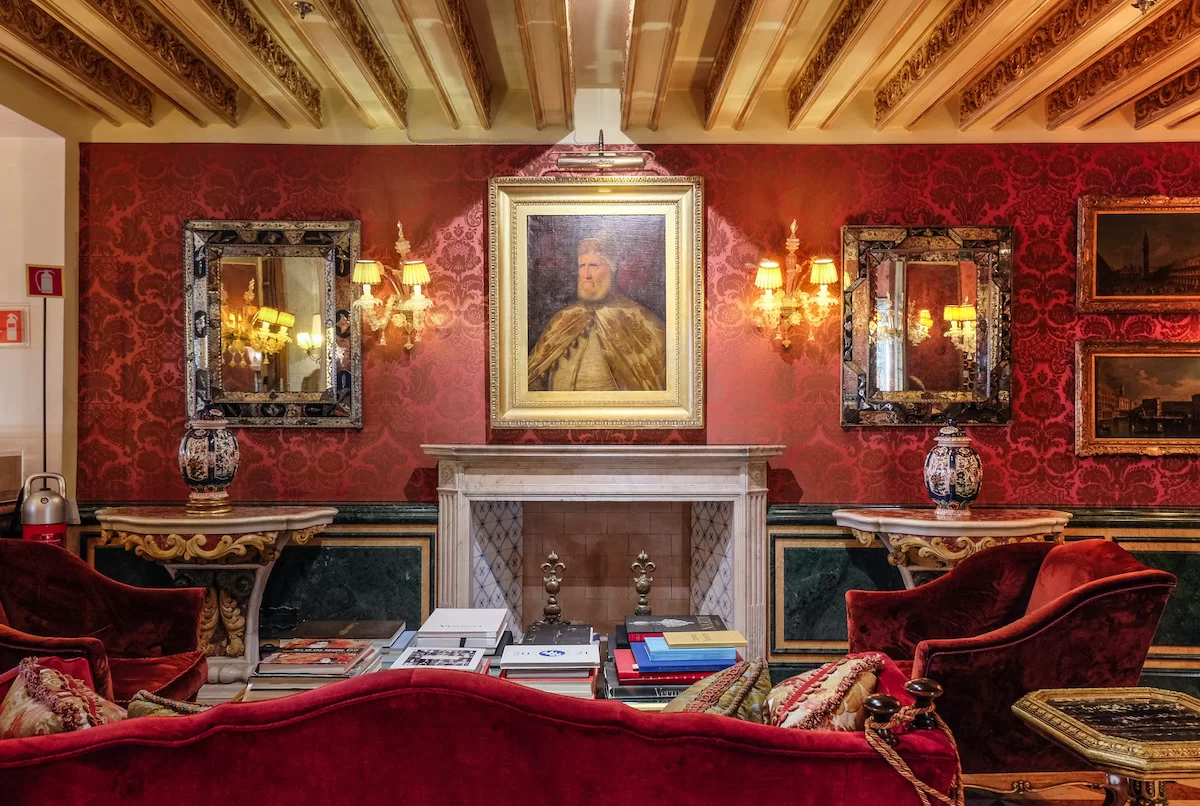
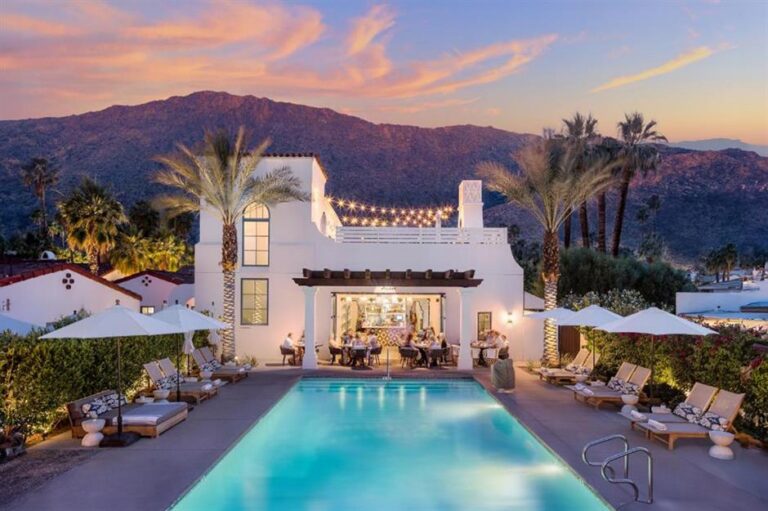
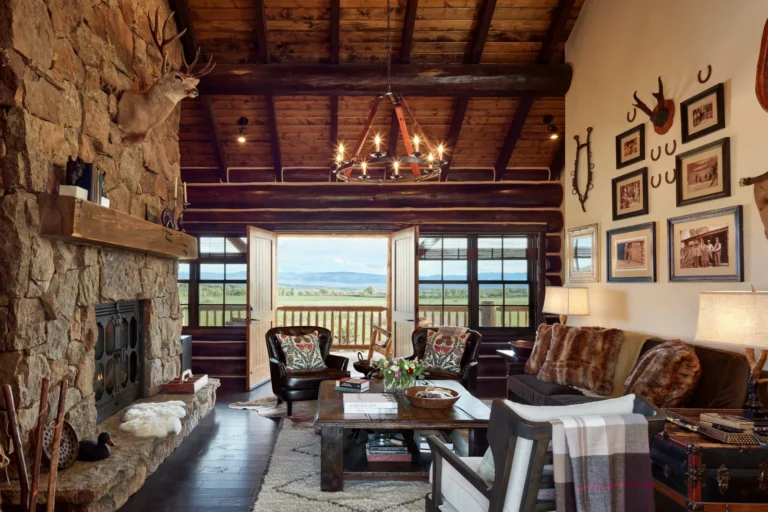
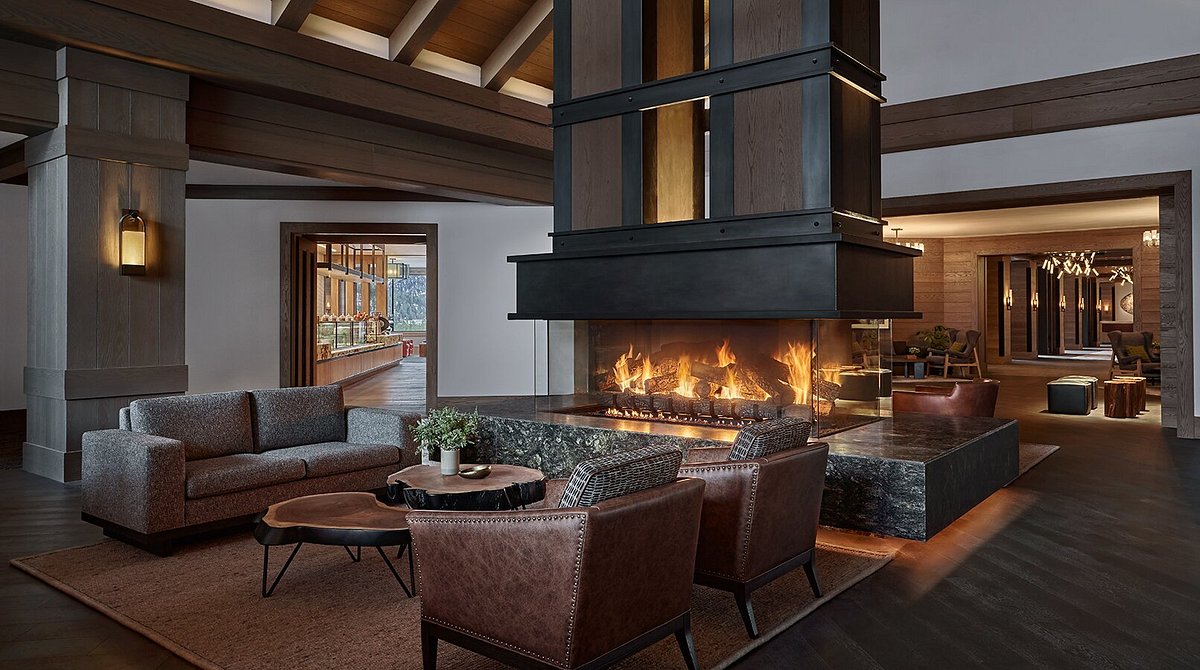
Defining historic luxury destinations usa requires separating the marketing mythology from the structural reality. Many properties claim “historic” status to command a price premium, yet they lack the continuous operational stewardship that defines a legitimate heritage site. A destination is not historic simply because it is old; it is historic because it occupies a specific, verifiable position in the cultural or architectural lineage of the United States. The value of these sites lies in their continuity.
The common misunderstanding—and the primary risk for the planner—is the conflation of “restored” with “maintained.” It is a delicate balance. Too much modernization, and the site loses its narrative integrity; too little, and the site becomes an unlivable relic.
Oversimplification leads to disappointment. Visitors often expect the plumbing of a modern resort within the walls of a 19th-century manor. When these disparate systems clash, the guest experience inevitably suffers. By understanding that these sites are, first and foremost, engineering challenges, one can approach them with the necessary patience and contextual awareness, focusing on the asset’s capability rather than its age.
Deep Contextual Background: The Evolution of Heritage Hospitality
The American approach to heritage sites has shifted from a 19th-century preoccupation with “grandeur” to a modern fixation on “authenticity.” In the Gilded Age, hotels and estates were built to project power; they were architectural manifestos. Post-World War II, many of these assets were abandoned or converted into utilitarian spaces, stripping them of their original context.
The late 20th century saw the rise of the “Preservation Movement,” which began to view these sites as cultural commodities. Today, we are in the era of the “Integrated Asset.” The properties that succeed are those that have successfully navigated the transition from private estate or transient boarding house to modern hospitality node. This evolution has required immense capital, as retrofitting historic foundations with fiber-optic cabling, modern fire-suppression systems, and energy-efficient climate control often costs significantly more than new construction. Many historic luxury destinations usa function best when they are treated as an architectural dialogue between the past and the present.
Conceptual Frameworks and Mental Models
To assess these destinations with professional rigor, the following frameworks are essential:
-
The Adaptive Reuse Quotient (ARQ): How effectively does the property incorporate its original architectural features into a modern service environment? A high ARQ indicates that the history is being used as a structural asset, not just a decorative facade.
-
The Maintenance-to-Marketing Ratio: Track how much budget is allocated to preserving the physical structure vs. marketing the “story” of the site. A disparity favoring marketing is a leading indicator of long-term asset decay.
-
The Regulatory Constraint Index: Historic sites are often buried in zoning, preservation, and environmental red tape. A property that navigates this complexity successfully demonstrates high-level management competence.
Key Categories and Variations of Asset Profiles
When surveying the high-end heritage market, categorize assets by their operational origin and structural type.
Within the category of historic luxury destinations usa, realistic decision logic dictates that an executive traveler should favor the Urban Landmark for service reliability, while a strategic retreat requires the Gilded Estate to minimize environmental noise and distractions.
Detailed Real-World Scenarios
Scenario 1: The Site-Specific Strategy Summit
A team needs a space that promotes “institutional gravity”—an environment that feels significant and permanent.
-
Constraint: The site must have modern meeting infrastructure despite being a heritage building.
-
Decision: The team selects a Gilded Age estate that has been recently retrofitted with hidden A/V infrastructure.
-
Failure Mode: If the team had chosen an un-renovated “authentic” site, the lack of reliable connectivity and climate control would have introduced significant “operational drag.”
Scenario 2: The Adaptive Reuse Failure
A group books a famous 19th-century coastal resort that has resisted modernization to maintain “period accuracy.”
-
Constraint: Summer heat requires high-capacity cooling.
-
Decision: The management relies on legacy HVAC that cannot handle peak summer loads.
-
Second-Order Effect: The inability to manage the environment leads to a failure in service delivery, turning a “historic” experience into an exercise in endurance.
Planning, Cost, and Resource Dynamics
The “Total Cost of Presence” at these sites is higher than at modern hotels. One must account for the “Preservation Premium.”
-
Direct Costs: High room rates (to cover massive maintenance debt).
-
Indirect Costs: Transit costs to remote locations (many estates were built before modern highway systems).
-
Opportunity Costs: The time lost navigating historical layouts (e.g., stairs, lack of elevators, confusing navigation).
Tools, Strategies, and Support Systems
-
The “Pre-Arrival Structural Audit”: Ask the property for their most recent renovation date. If the answer is “we are timeless” or dates back more than a decade, exercise caution.
-
The Zoning Check: Does the property have the capacity for high-speed infrastructure? Often, historic designations limit a site’s ability to upgrade external connectivity.
-
Local Preservation Reports: Use public record databases to see if the property is currently under a “cease and desist” or undergoing major structural remediation.
-
The Concierge Stress-Test: Ask for a request that requires off-site coordination. Historic properties in remote areas often have weaker external networks.
Risk Landscape and Failure Modes
The primary risks at historic luxury destinations usa are not aesthetic; they are mechanical and regulatory.
-
Code Non-Compliance: Historic buildings are often “grandfathered” into old fire and safety codes. A minor incident can lead to catastrophic operational shutdowns.
-
Systemic Decay: Because these buildings are old, failures are often compounding. A plumbing issue in a 100-year-old wall is rarely a localized repair; it is often a systemic failure.
-
The “Museumification” Trap: Properties that become too focused on their history often neglect their service standards, assuming the “experience” justifies the service deficit.
Governance, Maintenance, and Long-Term Adaptation
Treat your relationship with a historic site as a custodial relationship.
-
Audit Cycles: Re-vet the asset every 24 months. These buildings are active organisms; their status can change rapidly.
-
Adjustment Triggers: If you experience two distinct failures in climate control or technology within a single stay, remove the property from your network.
-
The Layered Checklist:
-
[ ] Recent structural certification.
-
[ ] Confirmation of hidden modern connectivity (fiber/hard-wired).
-
[ ] Verification of a dedicated engineering team, not just general staff.
-
Measurement, Tracking, and Evaluation
-
Leading Indicators: The precision of the pre-arrival information. Do they provide accurate floor plans? Do they understand the technical requirements of your stay?
-
Lagging Indicators: The “Resolution Time.” When the building’s archaic systems fail—and they will—how quickly is the staff equipped to mitigate the impact?
-
Qualitative Signal: “Operational Transparency.” Does the staff acknowledge the challenges of the building, or do they perform a “theatrical” denial of the building’s limitations?
Common Misconceptions and Oversimplifications
-
Myth: “Old hotels have better service because they have history.” Correction: Service is a function of current management, not building age.
-
Myth: “All historic districts are high-end.” Correction: Many districts are historic, but few are luxury. Distinguish between cultural interest and operational quality.
-
Myth: “Preservation means no changes.” Correction: Effective preservation requires changes to accommodate modern load-bearing and technological needs.
-
Myth: “Luxury is about grand architecture.” Correction: Architecture is the setting; service and systemic reliability are the product.
Ethical and Practical Considerations
One cannot engage with historic luxury destinations usa without acknowledging the stewardship burden. These sites are artifacts. When we use them as hotels, we are essentially subjecting a piece of cultural heritage to high-volume wear and tear. The most successful properties are those that have developed a “stewardship model”—using the revenue from hospitality to fund the ongoing preservation of the structure. This is not just ethical; it is practical, as the long-term viability of the asset depends on the quality of its maintenance, not the volume of its foot traffic.
Conclusion
Engaging with the most significant historic luxury destinations usa is a specialized practice. It requires the traveler to set aside the passive role of a consumer and adopt the active role of an auditor. By understanding that these properties are fragile, high-maintenance mechanical systems masquerading as architectural wonders, one can better manage their expectations and maximize the utility of their visit. The most effective heritage sites are not those that attempt to freeze time, but those that have mastered the art of moving through it.