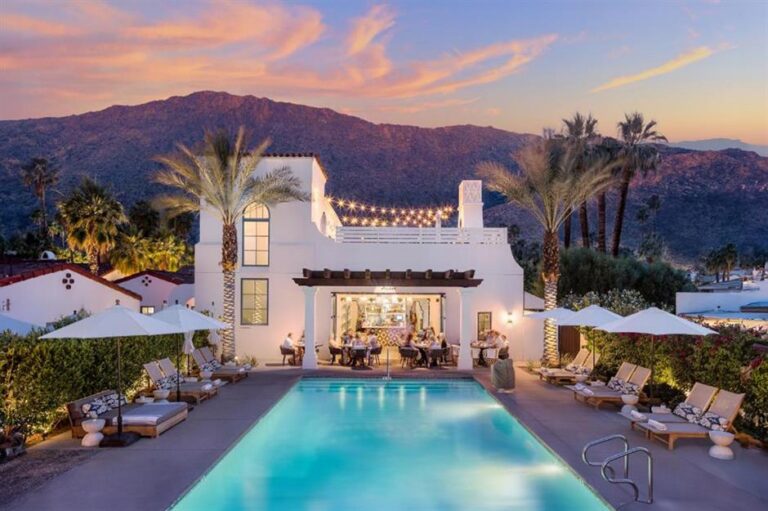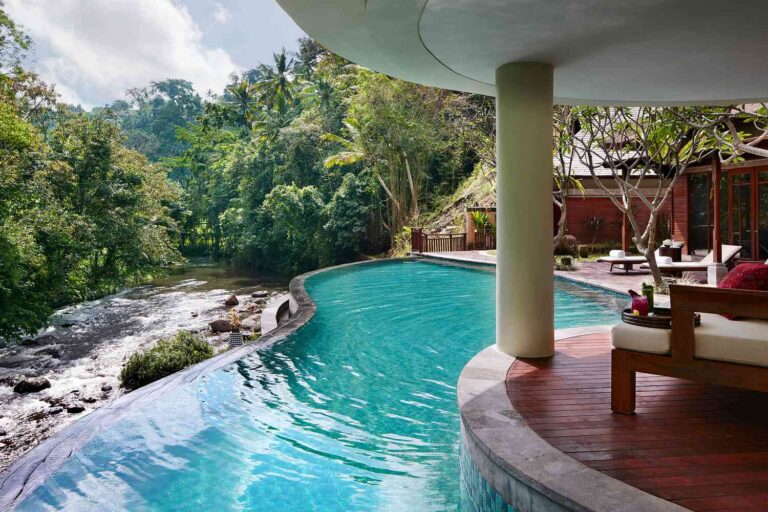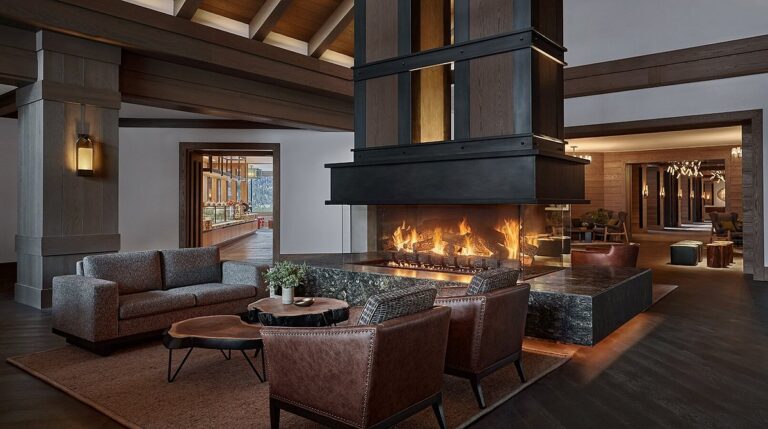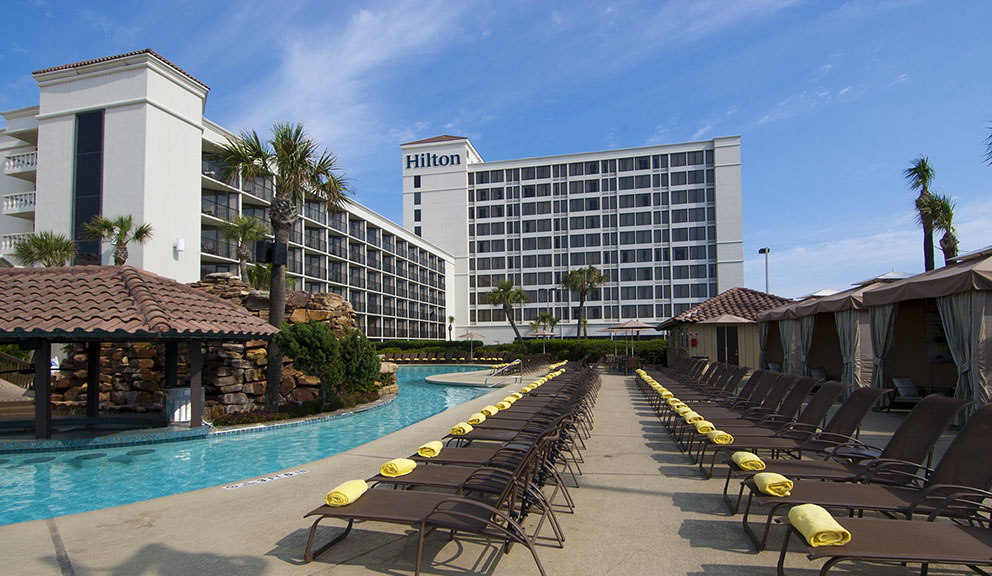
Luxury beach hotels usa: A strategic audit of seaside assets.
The American shoreline represents one of the most volatile real estate sectors in the world. From the salinity-heavy humidity of the Atlantic seaboard to the abrasive, arid heat of the Pacific, coastal properties exist in a state of constant structural friction. When evaluating luxury beach hotels usa, the industry standard often defaults to aesthetic metrics: the quality of the sand, the accessibility of the view, or the perceived “vibe” of the lobby. These are consumer-facing signals that mask the underlying engineering reality. True high-end coastal hospitality is, first and foremost, a feat of environmental defense.
A property that fails to mitigate the inevitable decay caused by salt air, humidity, and storm surges will eventually compromise the guest experience, regardless of its branding. The best assets in this sector are those that prioritize structural resilience, sophisticated climate control, and a rigorous, invisible maintenance cycle. To the uninitiated, these properties simply appear “well-kept.” To the trained observer, the absence of corrosion, the stability of the HVAC system, and the seamless integration of outdoor spaces into indoor climate zones indicate a master-class in asset management.
This article serves as a professional audit of the high-end seaside hospitality sector. It transitions the discussion from superficial marketing narratives to the functional realities of operating a premium asset in a high-degradation zone. By adopting the mindset of an asset manager rather than a transient guest, one can distinguish between properties that are merely leveraging a prime location and those that provide a sustainable, high-performance environment for the long-term traveler.
Understanding “luxury beach hotels usa”
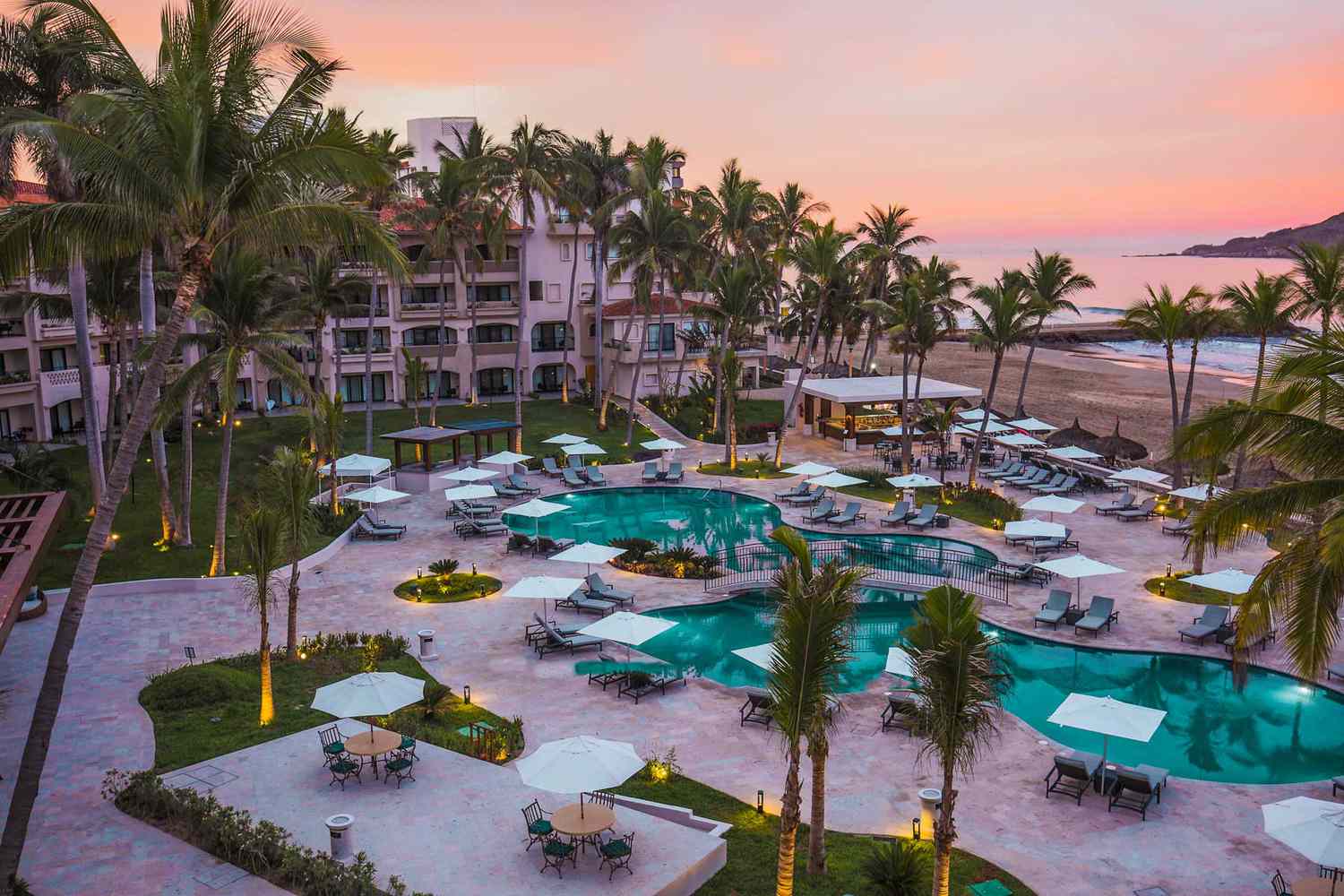
The term luxury beach hotels usa is frequently diluted by expansive marketing definitions. In the professional hospitality context, the category must be restricted to properties that provide an institutional-grade, climate-resilient environment. The common misunderstanding is that “luxury” is an additive quality—more pillows, more concierge attention, more ornate finishes. In the coastal context, luxury is subtractive. It is the absence of environmental friction. If the air in the room feels heavy with salt, if the mechanical systems groan under the humidity, or if the exterior walkways show signs of degradation, the asset has failed.
Oversimplification poses the greatest risk to the planning process. Many travelers assume that a newly constructed hotel is inherently superior to a historic property. This is a fallacy. Coastal architecture requires a specialized skill set; a new build that ignores the corrosive reality of its location will degrade faster than a well-maintained historic estate that has been retrofitted with modern environmental shielding. The “luxury” status is earned through the management of these physical variables, not through the price point or the visual style.
Success requires a shift in perspective. When one treats these hotels as complex, depreciating infrastructure, the selection process becomes empirical. Are the windows high-impact, salt-resistant glass? Is the HVAC system designed for continuous dehumidification? Is the staff trained in proactive maintenance? These are the indicators of a premier asset. By filtering out the noise of marketing photography, one can focus on the technical capabilities that actually drive the value of a high-end beach stay.
Deep Contextual Background: The Evolution of Seaside Infrastructure
The history of the seaside resort in the United States reflects a broader evolution in mechanical and civil engineering. The early 20th-century coastal hotel was a seasonal, wood-frame structure—romantic in aesthetic, but structurally doomed to rapid decay. These properties relied on massive, labor-intensive maintenance schedules to combat the inevitable onset of rot and oxidation.
The mid-century “Modernist” movement introduced concrete and steel, which provided better structural integrity but failed to account for the unique chemistry of coastal erosion. It was not until the late 20th and early 21st centuries that the industry adopted sophisticated climate-control and material-science protocols. Today’s premier properties are essentially sophisticated bunkers designed to look like light, airy sanctuaries. The current evolution is focused on “Environmental Integration”—the use of native flora for natural wind-shielding, permeable paving for flood management, and advanced air-filtration systems that manage the unique particulate load of a beachside location.
Conceptual Frameworks and Mental Models
To evaluate these assets with professional rigor, the following models should be applied:
-
The Environmental Mitigation Ratio (EMR): This measures the effort a property exerts to neutralize its environment. A property with a high EMR is actively managing its coastal status (e.g., constant humidity control, frequent paint cycles, reinforced structural integrity).
-
The “Invisible Barrier” Framework: True luxury at the coast is the ability to maintain a perfectly tempered, silent, and protected interior space while the external environment is harsh and unpredictable. If the barrier is permeable—if you can hear the wind, feel the humidity, or see the rust—the hotel has failed its core objective.
-
The Logistical Friction Audit: Evaluate how the property sources its consumables. A resort that maintains its luxury standard by relying on complex, long-distance supply chains is a high-risk operation. The best assets have developed local, redundant supply networks.
Key Categories and Variations of Asset Profiles
When evaluating the market, assets should be categorized by their operational dependency and geographic profile.
Realistic decision logic dictates that when selecting among luxury beach hotels usa, an executive on a work-centric trip should prioritize the Urban Coastal Node for its robust infrastructure and connectivity. Conversely, a retreat focused on strategy or recovery should favor the Remote Sanctuary, provided one accounts for the added time cost of transit.
Detailed Real-World Scenarios
Scenario 1: The Multi-Week Strategic Sabbatical
A high-level professional requires an environment for sustained, high-focus work.
-
Constraint: The room must be a stable, climate-controlled, and acoustically isolated environment.
-
Decision: The professional avoids the “glamour” resorts and books a suite in a property with documented, high-grade HVAC infrastructure and recent window-seal replacements.
-
Result: The ability to maintain a 12-hour work cycle without environmental interruption leads to a significant increase in output.
Scenario 2: The Infrastructure Stress Test
A coastal region experiences an unseasonable storm front, impacting power and transit.
-
Constraint: The guest must maintain access to the outside world despite regional outages.
-
Decision: The guest relies on a property that has independent power generation and a robust, satellite-linked communication network.
-
Failure Mode: A guest at a property that lacked such redundancies would have been effectively disconnected and trapped, illustrating the difference between luxury branding and luxury infrastructure.
Planning, Cost, and Resource Dynamics
The “Total Cost of Presence” at a coastal luxury hotel is significant. One must account for the “Coastal Premium”—the added expense required to operate in high-salinity zones.
-
Base Rate: The standard nightly charge.
-
Environmental Surcharges: The hidden cost of constant mechanical maintenance, which is often folded into the rate.
-
Opportunity Cost: The time lost to navigating inefficient service or managing environmental discomfort (e.g., damp rooms).
Tools, Strategies, and Support Systems
-
The “Pre-Arrival Technical Audit”: Contact the property 72 hours before arrival. Ask specific questions: “What is the HVAC redundancy in the suite?” or “Is the room equipped with high-impact, sealed windows?” Their response will immediately indicate if the property is operationally mature.
-
The Shoulder-Season Advantage: The operational reality of luxury beach hotels usa is that they perform best when not at full capacity. Booking on the edges of the high season ensures better staff-to-guest ratios and less mechanical strain on the property.
-
Local Vetting: Use regional travel advisors rather than generalist booking engines. A regional expert understands which properties are currently experiencing “maintenance lag.”
-
The Asset History Check: Verify the date of the last comprehensive infrastructure overhaul. Do not rely on “we update regularly” marketing. Look for verifiable data on mechanical and structural upgrades.
Risk Landscape and Failure Modes
The primary risks in the coastal luxury sector stem from environmental denial.
-
Climate Fragility: Coastal properties are the first to be impacted by severe weather. A property may look perfect in a brochure but suffer from systemic drainage or humidity issues that only become apparent during a storm.
-
The “Brand Stagnation” Risk: Iconic, historical beach hotels often coast on reputation. They fail to invest in modernizing the room infrastructure because they assume their location is enough to secure the booking.
-
Staffing Deserts: Operating in remote coastal locations makes it difficult to maintain a stable, high-end workforce. High staff turnover is an immediate indicator of service degradation.
Governance, Maintenance, and Long-Term Adaptation
Treat your relationship with a seaside property as a portfolio management exercise.
-
Audit Cycles: If you visit the same region annually, perform a “re-vet” every two years. Coastal properties degrade rapidly; a top-tier hotel can slip into second-tier status within 24 months due to neglect.
-
Adjustment Triggers: If you experience two separate instances of “infrastructure failure” (e.g., HVAC noise, connectivity dropout), remove the property from your consideration list immediately.
-
The Layered Checklist:
-
[ ] Verification of renovation date (within 5 years).
-
[ ] Confirmation of year-round staffing levels.
-
[ ] Audit of on-site support capabilities for work/mission requirements.
-
Measurement, Tracking, and Evaluation
-
Leading Indicators: The responsiveness and intelligence of the pre-arrival sales team. If they answer technical questions about room configuration and internet stability without hesitation, the management is engaged.
-
Lagging Indicators: The “Service Resolution Speed” during your stay. How quickly are issues handled? In a coastal environment, maintenance is constant; the speed of resolution is the true differentiator.
-
Qualitative Signal: “Room Consistency.” Is the room a sanctuary, or does the salt air, humidity, or exterior noise penetrate the space?
Common Misconceptions and Oversimplifications
-
Myth: “The higher the floor, the better the experience.” Correction: High floors in coastal hotels are often more exposed to wind and salt spray, increasing the noise profile and maintenance needs.
-
Myth: “All suites are created equal.” Correction: A suite in a coastal hotel often has awkward, geometric layouts to accommodate the building’s structural requirements. Always request specific room dimensions.
-
Myth: “The brand guarantees the experience.” Correction: Asset management is local. A globally branded hotel can be poorly managed at the property level.
-
Myth: “The most famous beach hotel is the best.” Correction: Reputation is a lagging indicator. It reflects the past, not the current state of infrastructure.
Ethical and Practical Considerations
The operation of a luxury hotel in a fragile coastal ecosystem carries an ethical burden. Modern travelers increasingly prioritize properties that demonstrate sustainable management—not just in the marketing sense, but in the structural sense. This includes waste-water management, beach preservation, and energy efficiency. Identifying the luxury beach hotels usa that matter often involves looking at how the property integrates with its local environment rather than how it dominates it. Sustainability, in this context, is a proxy for operational competence.
Conclusion
Securing a reservation at one of the luxury beach hotels usa is only the initial step. The true mastery of coastal travel lies in the ability to audit the operational reality of the property, to look past the aesthetic, and to demand a standard of environmental control and infrastructural integrity that matches the beauty of the location. By prioritizing resilience, reliability, and maintenance health over reputation and branding, the traveler ensures that their coastal experience remains a true restorative asset, rather than an exercise in managing the inconveniences of a challenging climate. The most effective coastal retreats are not those that simply offer a view of the water, but those that have mastered the management of the environment surrounding it.