Best mountain luxury hotels united states: A strategic audit of alpine assets.
The high-altitude environment is fundamentally hostile to standard hospitality models. Unlike urban luxury, which benefits from concentrated infrastructure, grid redundancy, and short-cycle logistics, the mountain resort operates in a state of perpetual struggle against geography. Analyzing the best mountain luxury hotels united states requires a departure from traditional travel writing, which frequently confuses “scenic” with “high-functioning.” True luxury in the alpine context is defined by the property’s ability to maintain a seamless environment despite the massive overhead of snow removal, high-elevation supply chain management, and seasonal labor volatility.
When an institution claims status as a premier alpine destination, the discerning planner must scrutinize the mechanics behind the facade. An aesthetic fireplace or a well-curated wine list is irrelevant if the property struggles with basic operational continuity—such as reliable climate control, consistent high-bandwidth connectivity, or sustainable waste management at 8,000 feet. The modern mountain asset is a complex machine, not a passive backdrop for recreation.
This guide is an audit. It is designed for those who recognize that the quality of their environment dictates the quality of their output, be it professional or personal. By dissecting the structural, logistical, and managerial components of these properties, we can identify which assets truly deliver on their promise and which are merely leveraging their location for short-term revenue.
Understanding “best mountain luxury hotels united states”
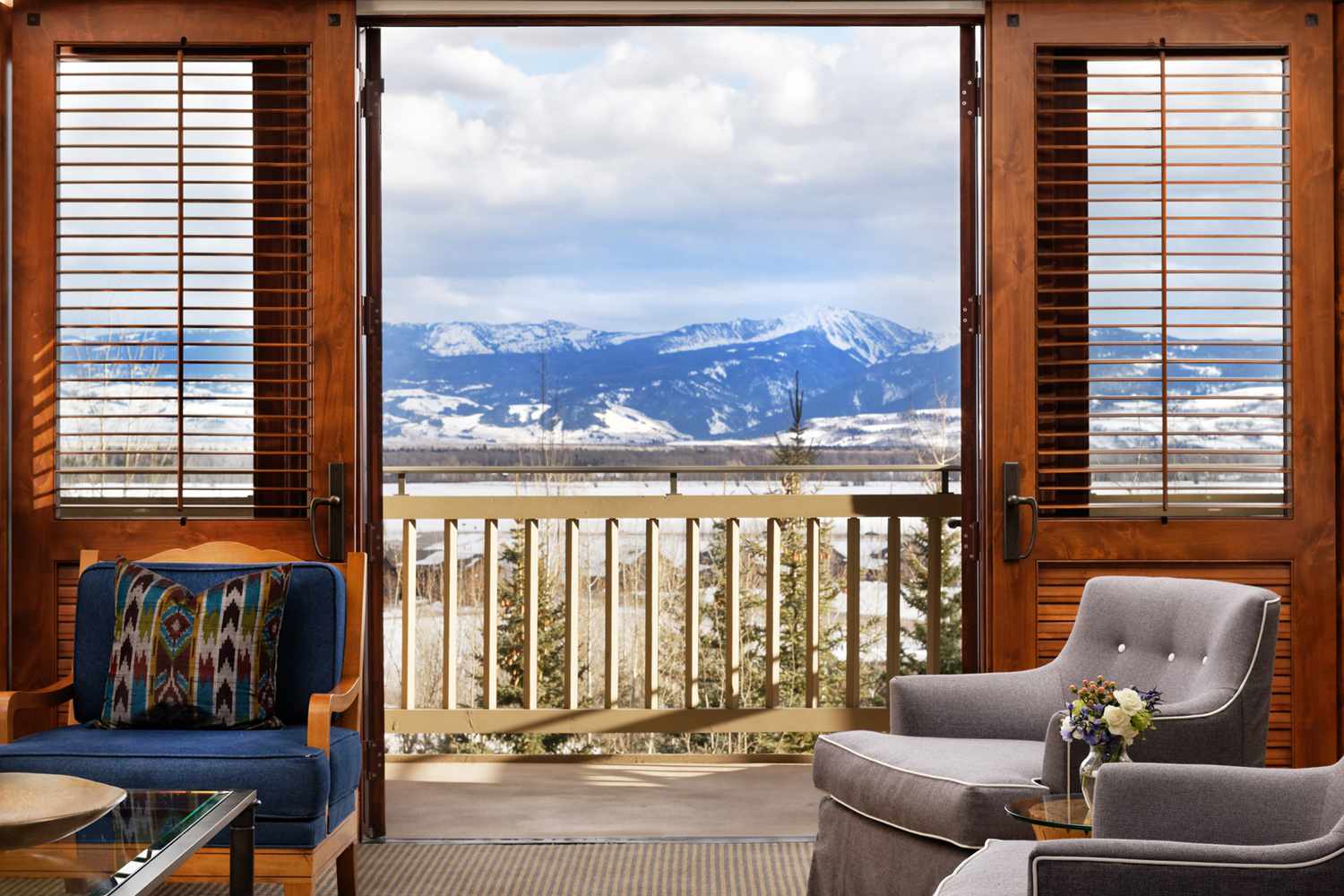
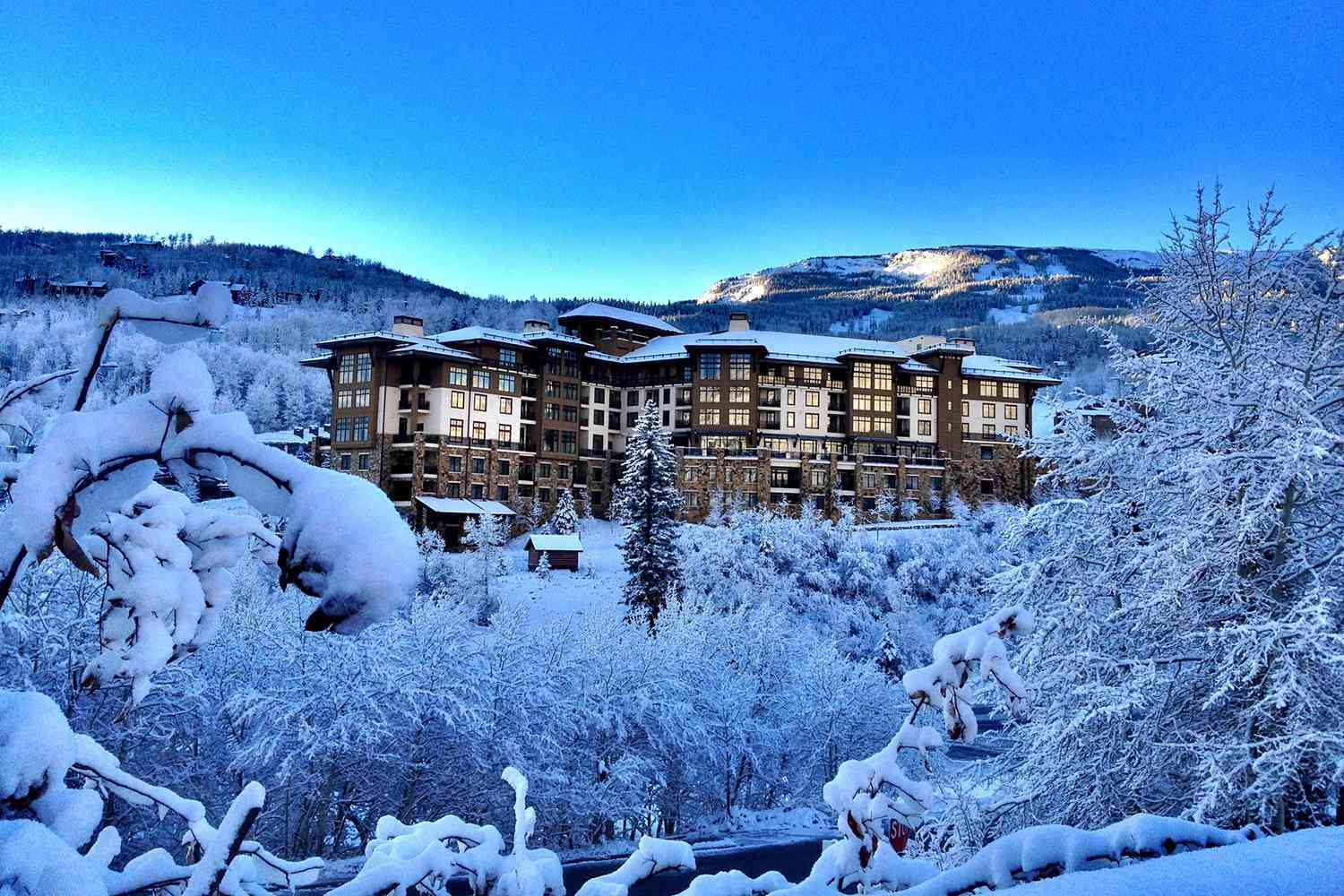
Defining the best mountain luxury hotels united states is complicated by the diverse nature of the terrain. A lodge in the Colorado Rockies faces entirely different operational hurdles—such as dry, high-altitude air and massive snowfall—than a property in the Appalachians or the temperate rainforests of the Pacific Northwest. The common error is to treat “mountain luxury” as a singular product. It is not. It is a category defined by the property’s relationship to its specific topography.
A critical misunderstanding involves the concept of “seclusion.” Many travelers equate remoteness with luxury. Operationally, remoteness is an inefficiency. The most effective properties are not necessarily the ones furthest from the nearest town; they are the ones that have mastered the “logistical bridge.” They provide the experience of isolation while maintaining a robust, often invisible, network for delivery, energy production, and waste removal. When you remove the veneer of marketing, the properties that perform best are those that are expertly engineered, not just beautifully decorated.
Over-reliance on legacy reputation is a significant risk. Many iconic mountain hotels are aging assets. They rely on the prestige built forty years ago while their mechanical and digital infrastructure rots beneath the surface. To identify the top performers, one must look for indicators of recent capital expenditure. Is the HVAC modernized? fire suppression system updated? Is the connectivity fiber-optic or outdated copper? These are the indicators of an asset that will actually support your mission, rather than drain your time with technical failures.
Deep Contextual Background: The Evolution of Alpine Infrastructure
The trajectory of American mountain resorts has shifted from the “Grand Lodge” era of the early 20th century—focused on romantic isolation—to the “Managed Resort” era of the late 20th century. During the latter period, the focus was on throughput: getting as many skiers or visitors through the property as possible. This led to a dilution of the luxury standard, as properties prioritized volume over bespoke service.
We are currently witnessing a “Correction Phase.” The market has pivoted back toward high-utility, high-density service nodes. Owners are aggressively renovating legacy properties, focusing on environmental control and digital reliability. The best mountain luxury hotels united states distinguish themselves by integrating these modern systems into the historical aesthetic, creating a frictionless environment that masks the massive mechanical effort required to keep a building warm, safe, and connected in a high-alpine zone.
Conceptual Frameworks and Mental Models
To evaluate these assets, utilize these analytical frameworks:
-
The Logistical Friction Ratio: How many steps does it take for the property to receive fresh supplies? Properties closer to a major regional hub are operationally superior for long-term stays.
-
The HVAC/Envelope Constant: A property’s luxury is only as good as its climate control. In the mountains, the thermal envelope is constantly under assault by wind and cold. If the architecture doesn’t account for this, the experience will suffer regardless of the decor.
-
The Seasonal Continuity Factor: Assess whether the property is a year-round operation or a seasonal “pop-up.” Year-round properties maintain more consistent, stable labor forces, which is the single biggest predictor of service quality.
Key Categories and Variations of Asset Profiles
When surveying the high-alpine market, categorize assets by their operational focus.
Realistic decision logic dictates that when evaluating the best mountain luxury hotels united states, an executive on a work-centric trip should prioritize the Base-Village Node for reliable infrastructure. Conversely, a retreat focused on strategy or recovery should favor the Alpine Estate.
Detailed Real-World Scenarios
Scenario 1: The High-Altitude Summit
A leadership team requires a venue for a three-day strategy session.
-
Constraint: Zero tolerance for connectivity drops and the need for absolute privacy.
-
Decision: The planner avoids the “scenic” wilderness lodges (which often have unreliable satellite internet) and selects a flagship property in a major mountain resort hub.
-
Failure Mode: If they had chosen the remote lodge, the “logistical friction” of getting the team and their tech setup there would have consumed the first day of the summit.
Scenario 2: The Extended Equipment Evaluation
A technical team is conducting field tests in a high-alpine environment.
-
Constraint: The team needs a base of operations that can handle a large amount of gear and requires a 24-hour cycle of work.
-
Decision: The team engages an Alpine Estate. They negotiate for a standalone wing, effectively converting the hotel into a private staging area.
-
Second-Order Effect: Because they chose a property with a high service-to-room ratio, the staff acts as an extension of their logistics team, managing gear intake and storage.
Planning, Cost, and Resource Dynamics
The “Cost of Presence” in the mountains is deceptive.
When planning, budget for the “logistical tax”—the time and capital required to mitigate the distance from major metropolitan support systems.
Tools, Strategies, and Support Systems
-
The “Pre-Arrival Technical Audit”: Contact the property’s Director of Sales. Ask: “Is the Wi-Fi hard-wired in the suite, or do you rely on shared mesh nodes?” This is a proxy for how seriously they take modern infrastructure.
-
The Off-Peak Advantage: The operational reality of the best mountain luxury hotels united states is that they perform best when not at full capacity. Shoulder seasons often yield the highest staff-to-guest ratio.
-
Local Supplier Vetting: If you have specific needs (specialty gear, high-end F&B), ask the concierge for their “preferred provider.” If they hesitate, they don’t have a reliable logistical network.
-
The Altitude Protocol: If your mission involves high intensity, ask the property for their oxygen-enrichment capabilities (many top-tier suites now have this).
Risk Landscape and Failure Modes
Failures in alpine luxury are almost always systemic.
-
The Seasonal Labor Trap: Many mountain properties rely on temporary labor for the ski season. If you visit in late spring or late fall, you are catching the staff at their most exhausted or most inexperienced point.
-
The Infrastructure Lag: In older resorts, the “hidden” systems—plumbing, HVAC, and fire suppression—are often failing. A beautiful room can quickly become an unlivable space if the thermal envelope is compromised.
-
Climate Volatility: A property may be perfect in February but inaccessible in April due to mud season or late-winter storms. Always audit the property’s “Access Reliability.”
Governance, Maintenance, and Long-Term Adaptation
Treat your relationship with a preferred mountain property as a portfolio that needs active management.
-
Audit Cycles: Re-vet your top three properties every 24 months. Asset degradation is faster at high elevations.
-
Adjustment Triggers: If a property fails to deliver on a core operational promise (e.g., HVAC failure, connectivity drop), initiate a formal review. Do not return until the property has undergone a management change or major renovation.
-
The Layered Checklist:
-
[ ] Verification of renovation timeline (must be within the last 5 years).
-
[ ] Confirmation of hard-wired connectivity in the suite.
-
[ ] Audit of the property’s backup power strategy.
-
Measurement, Tracking, and Evaluation
-
Leading Indicators: The specificity of the pre-arrival contact. If the hotel asks about your mission and preferences before you ask, they are managing the asset proactively.
-
Lagging Indicators: The “Service Resolution Speed.” In the mountains, things will break. How quickly does the property restore functionality? That is the true metric.
-
Qualitative Signal: “Room Consistency.” Does the property control its environment so perfectly that you forget you are at 8,000 feet, or are you constantly fighting the dry air, the noise, or the drafts?
Common Misconceptions and Oversimplifications
-
Myth: “The higher the elevation, the more luxurious the hotel.” Correction: High elevation is a constraint, not a benefit. It complicates maintenance and logistics.
-
Myth: “Ski-in/Ski-out is the only metric that matters.” Correction: This is a lifestyle metric, not a business metric. For professional productivity, accessibility to the valley floor is often superior.
-
Myth: “The most expensive property is the best.” Correction: Price often correlates with brand prestige and location scarcity, not infrastructure reliability.
-
Myth: “Staff turnover doesn’t affect me.” Correction: High turnover is a lagging indicator of poor management, which will eventually cascade into service failures.
Ethical and Practical Considerations
Modern alpine hospitality faces an ethical imperative. The footprint of these resorts—water usage for snowmaking, energy consumption for heating large spaces—is significant. The most sophisticated properties are now moving toward “Bioclimatic Alignment”—building in ways that respect the thermal and hydrological cycles of the mountain. Identifying the best mountain luxury hotels united states often involves looking for those that demonstrate long-term stewardship of the land, as these are invariably the properties with the most robust and forward-thinking operational models.
Conclusion
The pursuit of the best mountain luxury hotels united states is a process of filtration. It requires the traveler to set aside the seductive imagery of alpine sunsets and focus on the mundane, mechanical, and logistical realities of high-altitude hospitality. By prioritizing infrastructure integrity, operational stability, and seasonal consistency, one can transform their mountain stay from a gamble into an asset. The most effective mountain retreats are not those that offer the most dramatic views, but those that have mastered the management of the environment, ensuring that the guest’s primary focus—whether it be work or recovery—remains completely uninterrupted by the challenges of the altitude.