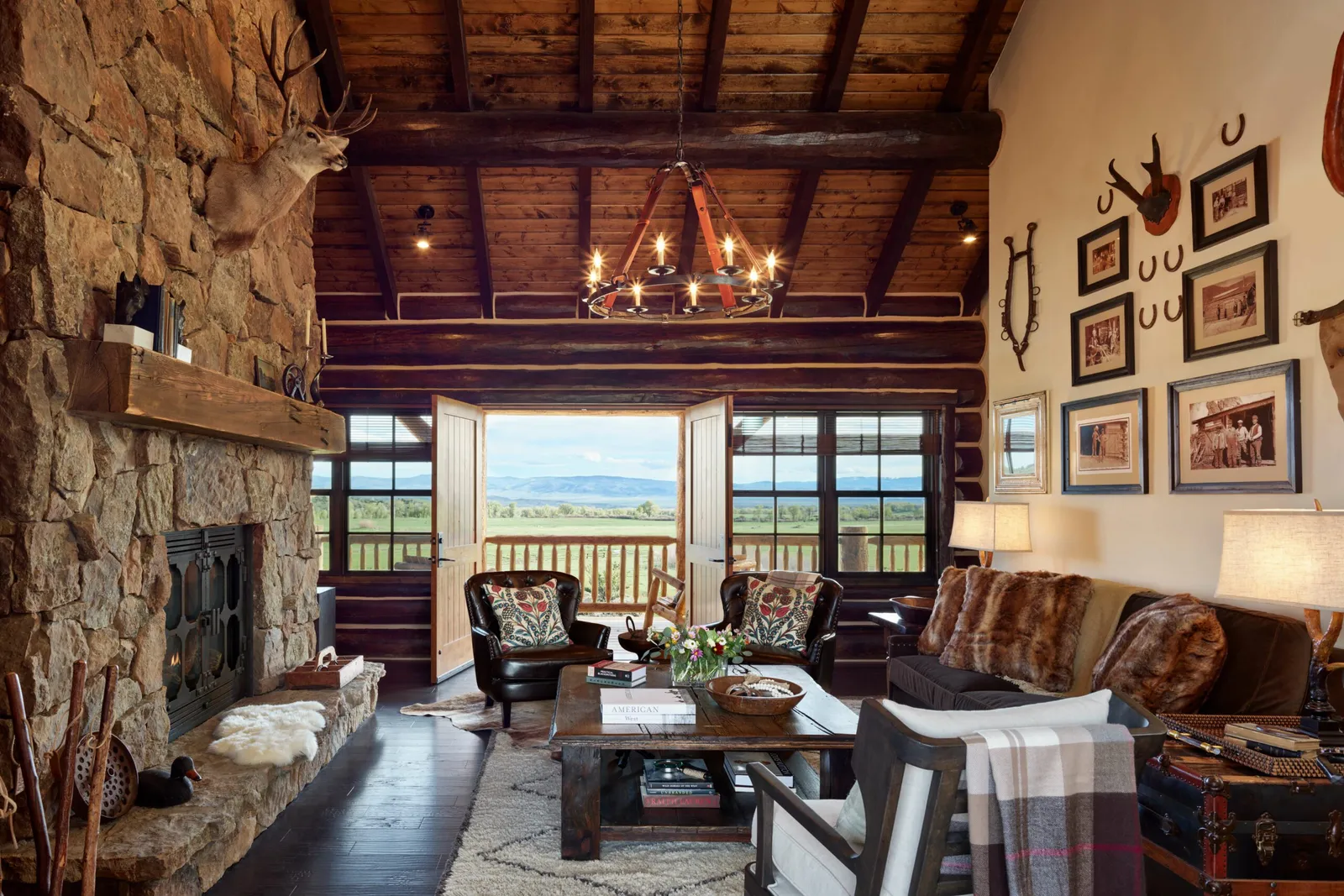
Best ranch luxury hotels united states: A strategic operational audit.
The contemporary high-end ranch estate represents one of the most complex operational models in the hospitality sector. It is not merely a hotel located in a rural environment; it is a forced integration of two diametrically opposed industrial cycles. A working ranch requires rigid adherence to agricultural timelines—harvesting, livestock management, and land stewardship—while a luxury resort requires consistent, frictionless service, high-end F&B throughput, and an aesthetic environment that must remain perpetually “perfect.”
When these two worlds collide, the potential for friction is constant. The most successful properties, which define the high-water mark for the industry, are those that have solved the “Operational Duality”: the ability to maintain a functional agricultural asset while providing a flawless guest experience. Guests at these properties are often buying more than a room; they are purchasing access to a curated, romanticized vision of the American West. However, behind the scenery lies a massive, complex machine of power generation, water management, staffing logistics, and supply chain integrity.
For the serious traveler or the investor evaluating the market, distinguishing between a “lifestyle” ranch and an “operational” asset is critical. Superficial amenities—saddle racks, rustic furniture, or proximity to hiking trails—are commodities. True value, and the true measure of the best ranch luxury hotels united states operators must master, is found in the reliability of the infrastructure and the authenticity of the experience delivered within the confines of a remote location.
Understanding “best ranch luxury hotels united states”
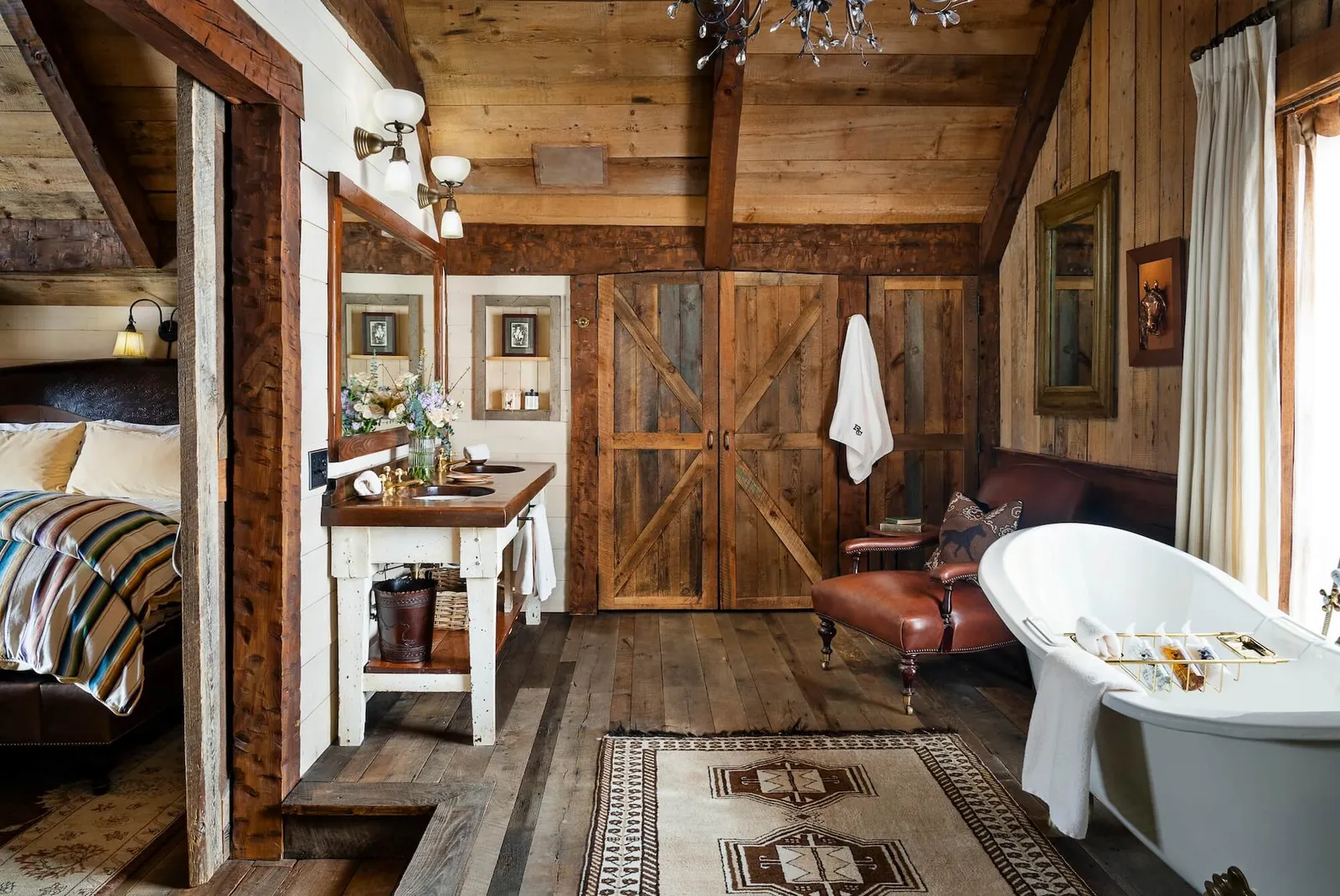
Defining the category requires stripping away the marketing veneer. The common misunderstanding is that “luxury” in a ranch context is an additive process: take a ranch, add a chef, add high-thread-count linens, and you have a luxury hotel. This is an oversimplification that leads to the most common failure mode in the sector: the “Disjointed Estate,” where the luxury feels performative and the agricultural operation feels neglected.
When assessing the best ranch luxury hotels united states options, one must evaluate the property as a “Service Ecosystem.” In an urban hotel, a supply chain breakdown is a minor inconvenience; on a ranch, it is an operational crisis. They manage their own power, their own water, and frequently, their own food production systems.
Oversimplification risks are high here. The property that succeeds is the one that manages to make its massive operational complexity invisible. The guest should experience the serenity of the range without ever seeing the infrastructure—the heavy machinery, the irrigation systems, or the staff housing—that makes that experience possible.
Deep Contextual Background: The Evolution of Western Hospitality
The American ranch estate has evolved through distinct phases. The initial wave was the “Dude Ranch” of the early 20th century, which prioritized activity and participation in ranch life. These were functional, activity-based operations. The subsequent shift, occurring largely in the late 20th century, saw the introduction of high-end hospitality standards, creating a tension between the rugged, individualistic ethos of the frontier and the service-oriented requirements of the modern traveler.
In the current decade, we have reached the “Integrated Estate” phase. These properties no longer view themselves as hotels; they view themselves as distinct, curated landscapes. They are leveraging the rise of “agriluxury” and “wellness as status,” integrating medical-grade spa facilities, hyper-local culinary programs, and complex event infrastructure into the traditional ranch footprint. The history of the Western estate is shifting from “place of stay” to “center of regeneration,” requiring a radical rethink of how these assets are managed and maintained.
Conceptual Frameworks and Mental Models
To evaluate these assets with analytical rigor, consider the following frameworks:
-
The Authenticity-Comfort Dialectic: This measures the degree to which a property leans into “ruggedness” vs. “sophistication.” The best properties do not choose one; they create a hybrid where the physical environment is rugged but the service experience is uncompromisingly refined.
-
The “Isolation Index”: A metric evaluating the distance from a major supply hub vs. the property’s ability to be self-sufficient. A defining trait of the best ranch luxury hotels united states is their high score on this index; they are insulated from external logistics.
-
The Service-Resilience Matrix: Evaluates a property’s ability to maintain high service standards despite weather, infrastructure, or seasonal labor fluctuations. High resilience correlates with higher operational cost, but lower guest friction.
Key Categories and Variations of Asset Profiles
When surveying the landscape, properties generally fall into one of the following architectural and operational archetypes:
Realistic decision logic dictates that when selecting or auditing a property, the category must align with the intended outcome. If the goal is deep solitude and wellness, an Eco-Refuge is superior. If the goal is an immersive, high-service event, a Working Estate is more effective, provided it has the infrastructure to manage the throughput.
Detailed Real-World Scenarios
Scenario 1: The “Peak Season” Infrastructure Load
A high-end estate operates at 100% capacity during a summer festival season. The surge in water and power usage threatens the system’s stability.
-
Constraint: Local grid and water sources are finite and strictly regulated.
-
Decision: The property utilizes a closed-loop system, recycling gray water for irrigation and employing an onsite solar micro-grid, ensuring the luxury experience is not disrupted by infrastructure failure.
-
Failure Mode: A less capable property prioritizes occupancy over infrastructure limits, resulting in service outages and a degradation of the guest environment.
Scenario 2: The “Authenticity” Conflict
A guest expects a “working ranch” experience, but the physical reality of ranching (manure, flies, noise, heavy machinery) interferes with the luxury aesthetic.
-
Decision: The property employs “Spatial Partitioning,” where the guest zone and the production zone are strictly separated, and agricultural activities are scheduled during off-peak guest hours.
-
Second-Order Effect: This is why the best ranch luxury hotels united states often operate on massive land parcels; they require the physical space to hide the “work” from the “stay.”
Planning, Cost, and Resource Dynamics
The “Total Cost of Presence” (TCOP) for a high-end ranch stay is significantly higher than that of a standard resort, owing to the “remoteness premium.”
-
Fixed Costs: Land maintenance, agricultural overhead, and staffing infrastructure (housing, transportation).
-
Variable Costs: Specialized activity instruction (equestrian, wellness, culinary), and the “transportation tax”—the cost of moving goods to a remote site.
Tools, Strategies, and Support Systems
-
Supply Chain Redundancy: The most successful estates do not rely on standard delivery schedules. They maintain significant on-site inventory, treating the property like a self-sufficient community rather than a hotel.
-
Activity Programming as Revenue: Treat activities not as “perks,” but as core revenue drivers. The best operators have a proprietary approach to horseback riding, wellness, or culinary arts that cannot be replicated by competitors.
-
Digital/Physical Integration: Use CRM systems to track guest preferences down to the specific horse they prefer or the exact dietary restrictions they require, managing this data across multiple site locations.
-
Recruitment Pipelines: Because of the remote location, these properties must build their own staff housing communities to retain talent, effectively functioning as a town municipality.
Risk Landscape and Failure Modes
There is a distinct taxonomy of failure modes for these properties:
-
The “Atmosphere Trap”: When a property becomes so focused on the “ranch” aesthetic that it neglects the “hotel” hygiene factors—high-speed connectivity, climate control, and soundproofing.
-
Staff Burnout: The isolation inherent in rural hospitality can lead to high turnover. Properties that fail to provide a high-quality living environment for their own staff experience immediate service degradation.
-
Resource Overextension: When an estate tries to offer too many services (e.g., wellness, equestrian, culinary, kids club) without the proper staffing scale, service quality becomes diluted and inconsistent.
Governance, Maintenance, and Long-Term Adaptation
Treat your evaluation of these properties with the same governance as any major asset acquisition:
-
Audit Cycles: Perform an annual assessment.
-
Adjustment Triggers: If a property fails to update its technological infrastructure (bandwidth, energy efficiency), it will likely fall behind as guest expectations shift toward “connected nature.”
-
The Layered Checklist:
-
[ ] Verification of utility redundancy (power/water independence).
-
[ ] Audit of the staff housing quality (a proxy for long-term service stability).
-
[ ] Confirmation of the property’s ecological management practices (land use, waste).
-
Measurement, Tracking, and Evaluation
-
Leading Indicators: “Conversion Velocity”—the speed at which a new guest engages with the property’s proprietary activities. High engagement indicates a well-integrated product.
-
Lagging Indicators: “The Friction Metric.” Measure the time from guest arrival to first successful interaction. In a remote property, high-friction arrivals are a sign of systemic planning failures.
-
Qualitative Signal: “The Estate Narrative.” Does the guest feel they are participating in a functional ecosystem, or simply observing it from the periphery? The former is a defendable market position.
Common Misconceptions and Oversimplifications
-
Myth: “The most remote ranches are the most authentic.” Correction: Often, extreme isolation creates operational fragility. The most successful assets sit at the optimal intersection of access and seclusion.
-
Myth: “All-inclusive pricing simplifies the stay.” Correction: The most elite properties use tiered pricing to ensure that the “specialized” experiences (private guided hunts, clinical wellness) are priced according to their actual cost.
-
Myth: “Rustic furniture is a stylistic choice.” Correction: It is a functional choice. Real ranch furniture must withstand the dust, dirt, and heavy use inherent in the environment.
-
Myth: “A larger ranch is always better.” Correction: Scalability in a remote environment is a liability. Once an estate exceeds a certain key count, it risks losing the intimate service ratio that justifies the price.
Ethical and Practical Considerations
There is a significant ethical imperative regarding land use. In regions like the American West, there is a delicate tension between the expansion of high-end hospitality and the preservation of wild lands. The best ranch luxury hotels united states operators must master are those that operate as land stewards rather than just developers. They invest in conservation, support the local agricultural economy, and ensure their footprint is minimized. Guests are increasingly discerning; they want to know that their luxury experience is not coming at the cost of the estate’s long-term environmental health.
Conclusion
The successful operation of a luxury ranch estate is an exercise in managing a complex, self-sufficient ecosystem. It requires the owner to reconcile the unpredictable, biological nature of ranch life with the rigid, expectation-driven requirements of high-end service. When these elements are perfectly balanced, the result is a hospitality experience that is deeply rooted in the landscape. Identifying the best ranch luxury hotels united states is not about finding the prettiest view; it is about finding the operation with the most resilient infrastructure and the most disciplined management.