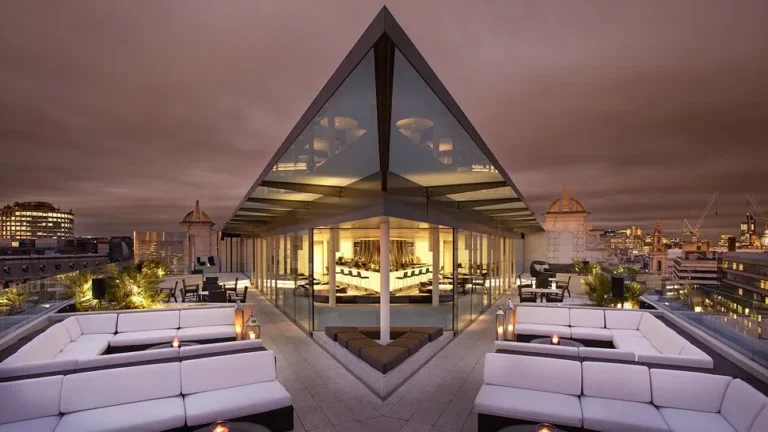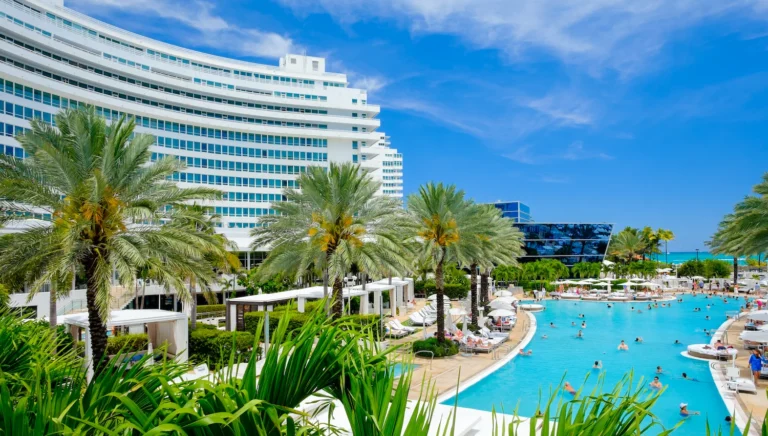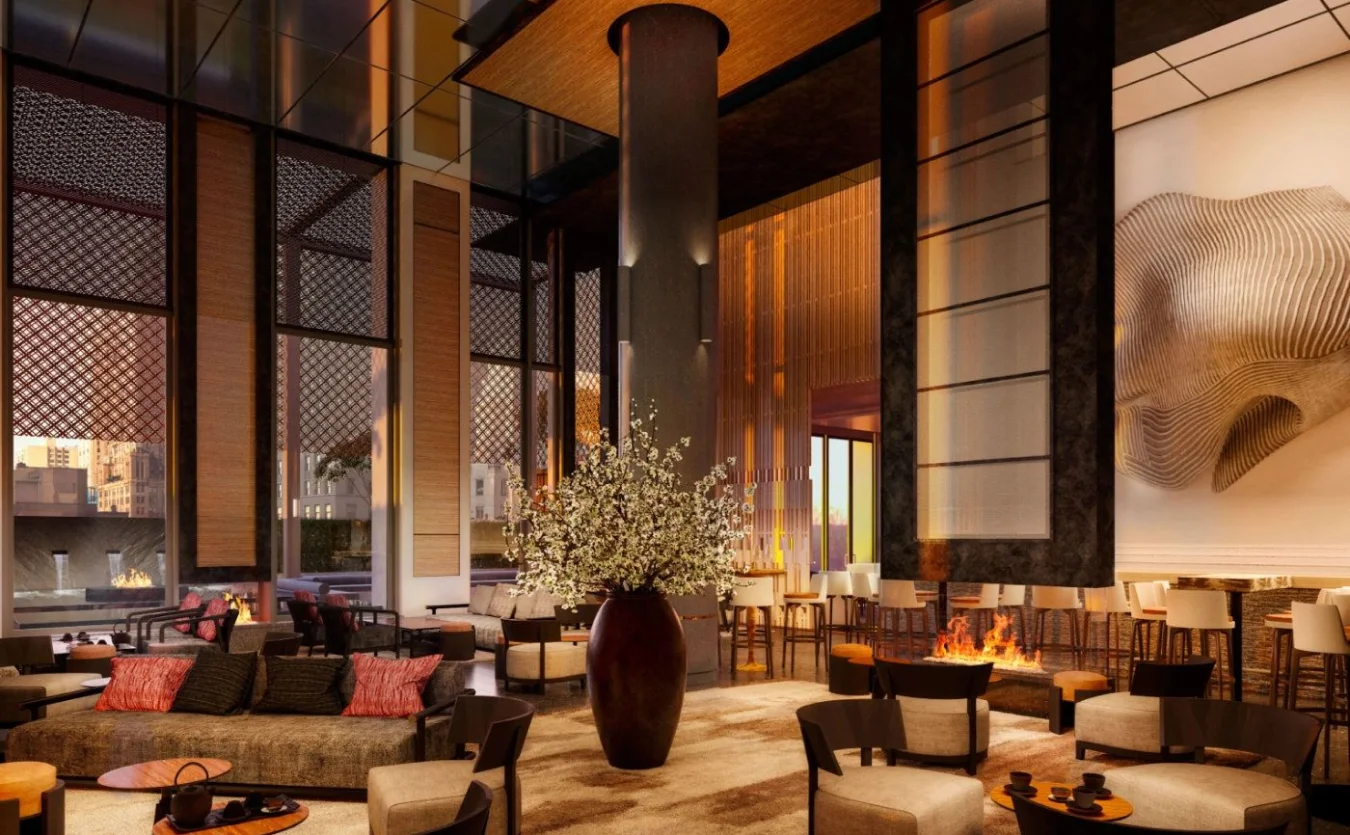
American luxury hotel lifestyle: A strategic audit of transient living.
The modern high-end traveler often views the hotel experience as a transactional exchange: capital provided in return for temporary shelter and baseline services. Yet, when one ascends to the level of the frequent, high-utility luxury guest, the nature of this exchange shifts fundamentally. The hotel ceases to be a stopover and becomes a controlled environment, a managed ecosystem where the vagaries of daily life—logistics, housekeeping, F&B, security—are outsourced to a dedicated administrative layer. This transition from “traveling” to “living within an institution” is the defining characteristic of the high-end sector.
To treat this experience merely as a vacation or a business necessity is to overlook the structural implications of the environment. The American luxury hotel lifestyle is an exercise in resource management. It involves navigating the complex interplay between brand loyalty programs, proprietary service cultures, and the physical constraints of high-value real estate. For the sophisticated user, success is not measured by the “grandeur” of the lobby, but by the efficiency with which the property integrates into their professional and personal workflow.
This analysis is intended for those who have moved past the tourist mindset and require a deeper understanding of the systems governing their transient existence. It dissects the mechanisms of elite hospitality, the hidden costs of amenity reliance, and the long-term impact of adopting a lifestyle where one’s environment is permanently mediated by institutional protocols.
Understanding “american luxury hotel lifestyle”
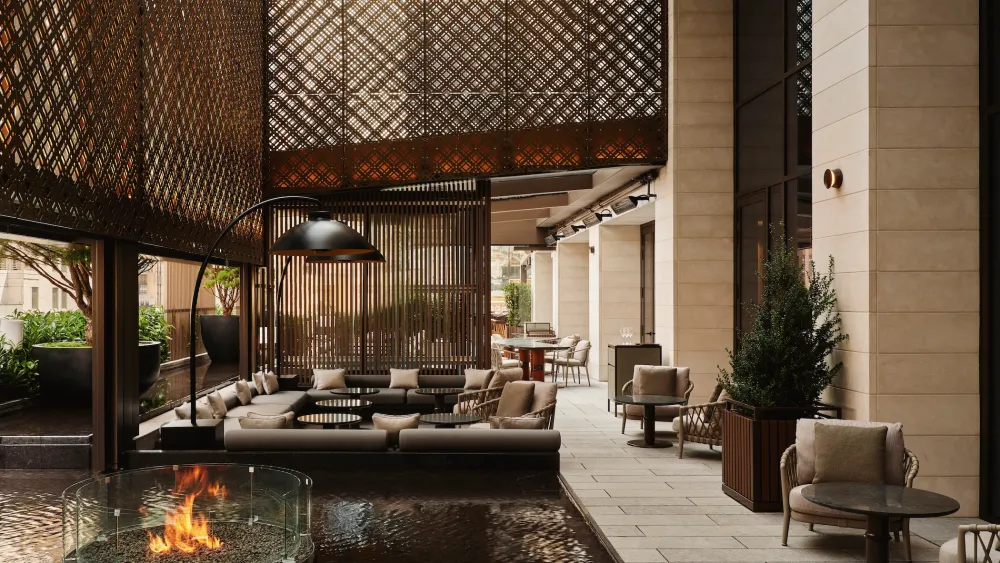
The american luxury hotel lifestyle is frequently misconstrued as a static condition of opulence. It is, in reality, a dynamic system of dependencies. It is defined by the outsourcing of the “mental load” of daily existence to a specialized service team. The guest pays not merely for a suite, but for the removal of logistical friction. When a traveler adopts this lifestyle, they are essentially participating in a managed environment where the boundaries between their personal workspace, their social network, and their private life become porous.
Common misunderstandings arise from the conflation of “luxury” with “exclusivity.” While price is a barrier to entry, it is not the defining metric of this lifestyle. The true defining metric is the degree of customization permitted within the hotel’s operating system. Does the property allow the guest to customize their sleep environment? Are they willing to integrate the guest’s personal logistics into their concierge protocol? The lifestyle is most effective when the hotel acts not as a host, but as a silent partner in the guest’s mission.
Oversimplification risks are significant here. Many assume that the lifestyle is “passive”—that one simply arrives and is taken care of. This is a fallacy. To extract maximum value from the environment requires active management. It demands a clear understanding of the hotel’s P&L, its staff hierarchy, and its internal capacity for service recovery. The person who treats the hotel staff as an extension of their own support team—with professionalism, clarity, and strategic intent—will inevitably have a fundamentally different experience than the person who treats the environment as a passive product.
Deep Contextual Background: The Evolution of Institutional Hospitality
The transition of the American hotel from a purely transient site to a “lifestyle anchor” began with the professionalization of the business traveler in the mid-20th century. The rise of large-scale corporate networks created a demand for uniformity. The hotel had to become a predictable, standardized interface where a guest could arrive in New York, Chicago, or Los Angeles and experience the exact same service architecture. This led to the “loyalty era,” where the system became more important than the property itself.
We have now entered the “fragmentation era.” As the standardization of the 1990s and 2000s became commoditized, luxury travelers began seeking differentiation again—not through “luxury” branding, but through niche operational models. The rise of the branded residence, the boutique urban estate, and the wellness-focused resort represents a retreat from the “anywhere-is-everywhere” model. Today’s sophisticated traveler is looking for a curated interface that reflects their specific operational needs, whether that is high-density connectivity, health-centric infrastructure, or absolute, gated seclusion.
Conceptual Frameworks and Mental Models
To analyze the lifestyle, one must adopt specific analytical tools:
-
The Friction-Utility Ratio: Every amenity—from a digital concierge to a high-thread-count sheet—must be measured by the friction it removes versus the cognitive load it introduces. If a luxury amenity is complex to operate, it is a liability, not an asset.
-
The “Silent Partner” Framework: Treat the hotel staff as an extension of your own professional team. Clarity of instruction, predictability, and mutual respect are the variables that determine whether the property serves your interests or merely processes your presence.
-
The Asset-Lifecycle Model: Recognize that high-end hotels are depreciating physical assets. A property that was “the best” five years ago may be suffering from maintenance lag, outdated connectivity, or staffing turnover. Never assume current performance based on past reputation.
Key Categories and Variations of Asset Profiles
Distinguishing between these categories is essential for maintaining the integrity of one’s lifestyle.
| Asset Type | Primary Mission | Operational Strength | Primary Liability |
| The Urban Power Node | Business / High-Velocity | Connectivity, Concierge | High Noise, Staffing Turnover |
| The Boutique Estate | Creative / Low-Velocity | Privacy, Personalization | Limited Infrastructure |
| The Branded Residence | Extended Stay / Stability | Residential Utility | Sterility, Lack of Service |
| The Remote Sanctuary | Recovery / Isolation | Environmental Control | Logistical Friction |
Realistic decision logic dictates that for mission-critical travel, one should prioritize the “Urban Power Node” for its robust infrastructure. For sustained, long-term focus, the “Branded Residence” offers a superior return on logistical efficiency.
Detailed Real-World Scenarios
Scenario 1: The High-Frequency Road Warrior
An executive travels 200+ days a year, constantly shifting between markets.
-
Decision Point: They do not attempt to “enjoy” each hotel. They use the american luxury hotel lifestyle to create a stable, replicable workspace. They maintain a strict protocol for their room setup, ensuring their digital environment is identical in every city.
-
Failure Mode: Attempting to engage with the “unique charm” of every new property, which increases cognitive load and degrades productivity.
Scenario 2: The Project-Based Deployment
A team is working on a high-stakes launch in a new city for 30 days.
-
Decision Point: They bypass the standard hotel room and negotiate a long-term “suite-and-meeting-room” package. They integrate the hotel’s F&B department into their daily catering needs, treating the hotel as an operational extension of their firm.
-
Second-Order Effect: The hotel staff becomes familiar with the team’s patterns, proactively anticipating their needs and reducing the requirement for constant oversight.
Planning, Cost, and Resource Dynamics
The lifestyle carries significant hidden variables. One must account for the “Total Cost of Presence.”
-
Direct Costs: Room rates are merely the baseline.
-
Indirect Costs: The time lost to navigating inefficient service protocols, the cost of “upgrading” via tips or status maintenance, and the emotional energy expended on service recovery.
-
The “Status” Tax: Maintaining top-tier status often requires staying in properties that are not optimal for one’s immediate needs, simply to accumulate points or credits.
| Cost Variable | Financial Impact | Variable Type |
| Base Rate | Predictable | Fixed |
| Service/Amenity Fees | Variable | Obfuscated |
| Loyalty Maintenance | High (Opportunity) | Strategic |
| Operational Friction | High (Non-Monetary) | Latent |
Tools, Strategies, and Support Systems
-
The “Preference Architecture”: Maintain a codified document of your needs—temperature, lighting, connectivity, and noise sensitivity—that is sent to every property 48 hours before arrival.
-
The Loyalty System: Treat loyalty programs as an investment portfolio. Diversify your status across two major chains to ensure you have coverage in disparate geographic markets.
-
The Professional Network: Utilize travel advisors who have direct lines to the property’s Director of Sales. The standard booking engine is for tourists; the direct channel is for assets.
-
The Technical Kit: Never rely on the hotel’s tech stack. Carry your own high-bandwidth connectivity and ergonomic peripherals.
Risk Landscape and Failure Modes
The primary risks of this lifestyle are not physical, but psychological and systemic.
-
The Velvet Cage: Excessive reliance on institutional service can degrade one’s ability to navigate the “real world.”
-
The Institutional Decay: A property that changes management or ownership can degrade rapidly. Staying loyal to a brand rather than a property’s current operational reality is a common failure.
-
Systemic Overload: In high-traffic urban nodes, the service is often stretched too thin. The risk here is the failure of the “service promise,” where the human component of the system collapses under volume.
Governance, Maintenance, and Long-Term Adaptation
The american luxury hotel lifestyle requires rigorous governance. One must view their travel life as a P&L statement.
-
Review Cycles: Quarterly, evaluate your preferred properties. Are they still delivering? If the connectivity has dipped, or the F&B quality has declined, prune them from your network.
-
Adjustment Triggers: If you find yourself spending more than 15 minutes troubleshooting room issues during a stay, the property has failed its core mission. Initiate a review.
-
The Layered Checklist: * [ ] Pre-trip technical audit.
-
[ ] Relationship check with the concierge/front-of-house leads.
-
[ ] Post-trip retrospective on “friction events.”
-
Measurement, Tracking, and Evaluation
-
Leading Indicators: The responsiveness of the pre-arrival communication. If they ask questions about your work mission, they understand the lifestyle.
-
Lagging Indicators: The “Resolution Time.” When an issue occurs, how quickly is it rectified? In luxury hospitality, speed is the proxy for quality.
-
Qualitative Signals: The “Disappearance Factor.” The best hotels are the ones you don’t notice. If you are constantly interacting with the environment, the environment is failing.
Common Misconceptions and Oversimplifications
-
Myth: “The most expensive property is the best.” Correction: High price is often a function of location scarcity, not service quality.
-
Myth: “Elite status ensures better service.” Correction: Status ensures recognition, but service is dependent on the property’s local culture.
-
Myth: “Concierges are miracle workers.” Correction: Concierges are limited by their professional network. Do not expect them to bypass market realities.
-
Myth: “Luxury is about opulence.” Correction: Modern luxury is about the absence of friction and the presence of customization.
Ethical and Practical Considerations
One cannot adopt the american luxury hotel lifestyle without acknowledging the broader ecosystem. It is a highly resource-intensive way to live. The water usage, the energy consumption, and the labor required to sustain this level of service are significant. Recognizing this is not about guilt, but about operational awareness. The sophisticated traveler chooses properties that demonstrate sustainable management—not for public relations, but for the fundamental durability of the asset.
Conclusion
To master the american luxury hotel lifestyle is to move beyond the notion of the hotel as a destination. It is to view the institution as a tool, a platform, and a partner in one’s mission. It requires constant governance, a critical eye toward asset quality, and an unwavering commitment to operational efficiency. By treating the environment as a managed asset rather than a passive backdrop, the traveler ensures that their transient existence remains a source of productivity and clarity, rather than a sequence of unpredictable, expensive complications.