How to avoid luxury hotel risks: An audit for elite travel security.
The assumption that an elevated price point, a prestigious brand name, or a five-star designation confers automatic safety is a dangerous fallacy. In the modern hospitality landscape, the luxury sector faces an asymmetric threat profile: high-value targets are concentrated in environments designed for accessibility, hospitality, and aesthetics—three factors that fundamentally conflict with the requirements of robust risk management.
Risks in high-end travel are rarely the result of overt malice alone; they are frequently the outcome of systemic negligence, “experience-over-security” management models, and the democratization of access in properties that lack the infrastructure to handle it. The modern traveler is not merely a guest; they are a temporary resident in a shared infrastructure where the integrity of their data, their physical security, and their logistical continuity are constantly subject to degradation. To navigate this landscape safely, one must shift from a posture of passive consumption to one of active oversight.
This article serves as a diagnostic framework for identifying, vetting, and mitigating the threats inherent in premium accommodation. By deconstructing the operational architecture of modern hotels, we move beyond generic safety tips toward a rigorous methodology for preserving security. Understanding how to avoid luxury hotel risks requires acknowledging that the most significant threats are often the quietest: digital exposure, inadequate access control, and the failure of crisis-management systems during unforeseen events.
Understanding “how to avoid luxury hotel risks”
The difficulty in mastering how to avoid luxury hotel risks stems from the industry’s marketing incentives. Hotels are financially motivated to project an atmosphere of seamless, effortless perfection. Security, by its nature, introduces friction: identification checks, secure hardware requirements, controlled access points, and privacy vetting.
To understand the risks, one must bifurcate the threat landscape into Transient Risks and Structural Risks. Transient risks involve the immediate, opportunistic threats posed by the environment—a lost keycard, an unencrypted Wi-Fi network, or an intrusive guest in the lobby. Structural risks, however, are far more concerning: these include failures in the hotel’s building management systems, the lack of redundant power/water/comms, and the hiring practices that lead to high staff turnover and potential insider threats.
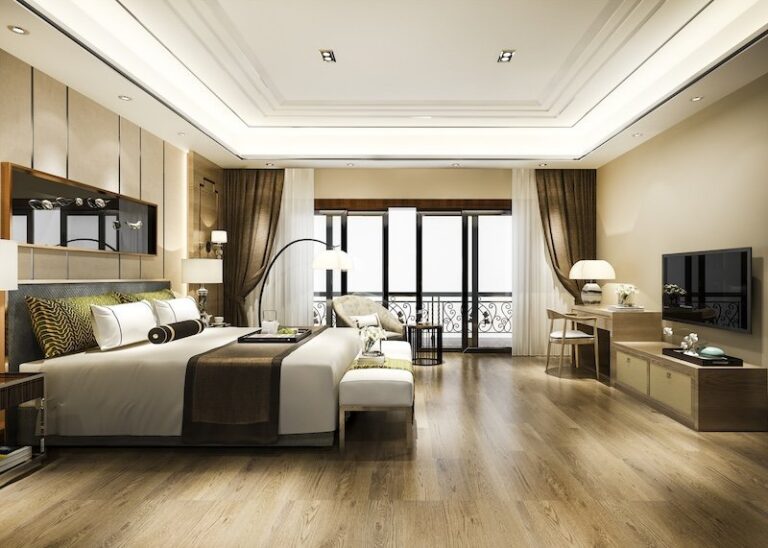
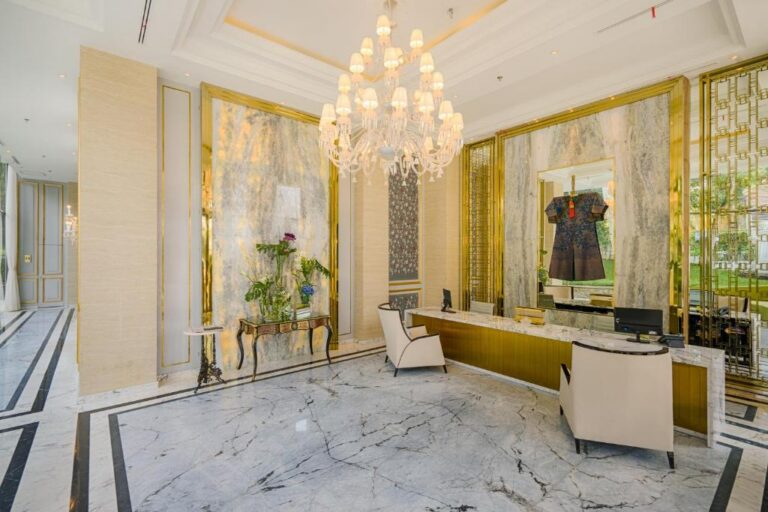
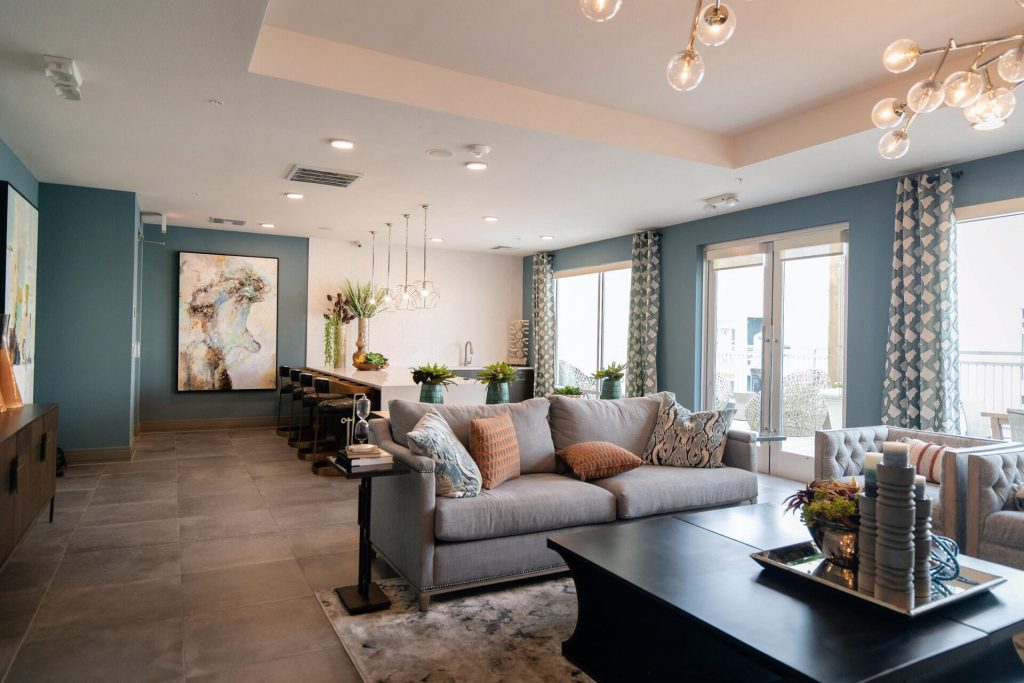
Common oversimplifications arise when travelers focus solely on the physical appearance of the property. A well-designed, modern lobby often hides a lack of cybersecurity protocols, while an older, “dated” property may possess more robust physical construction and a long-tenured, reliable security team. The goal is to develop an “auditor’s eye,” assessing the property not by its design, but by its operational resilience. When you prioritize aesthetic luxury over structural security, you expose yourself to the very risks you likely traveled to escape.
Deep Contextual Background: The Evolution of Hospitality Security
Historically, the luxury hotel served as a social fortress. Institutional knowledge was the primary security tool. If a suspicious individual entered, the concierge—who knew every regular guest—identified them instantly.
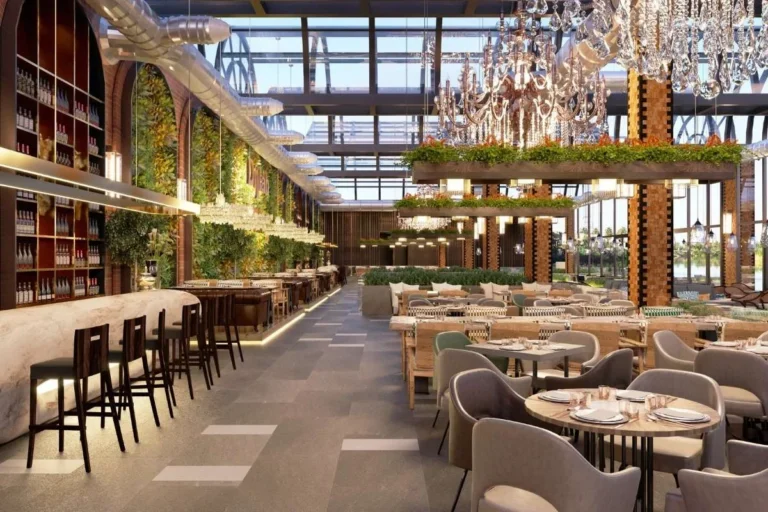
The shift toward the “Experience Economy” changed this. The rise of “Lifestyle” hospitality has prioritized open-concept lobbies, public-facing bars, and a high volume of transient, non-resident traffic. While this increases the vibrancy and brand appeal of a property, it dramatically expands the surface area of risk.
We are currently in a cycle where the pendulum must swing back. High-functioning individuals are beginning to demand “hardened luxury.” This is not a return to the stiff, formal hierarchies of the past, but a movement toward integrated, modern security: biometrics, encrypted networks, secure-by-design architecture, and robust incident response protocols. The most successful operators are those who have realized that true luxury is not just comfort; it is the absolute assurance of safety and continuity.
Conceptual Frameworks and Mental Models
To mitigate risk effectively, apply these diagnostic models to every property you evaluate:
-
The Surface Area Exposure Model: Every hotel is an open system. The more public-facing amenities (bars, events, exhibitions) a hotel hosts, the larger its “attack surface” for physical and social-engineering threats.
-
The “Black Box” Network Framework: Assume every network in a hotel is compromised. A luxury hotel network is a prime target for espionage precisely because it hosts high-value targets. Never connect without a hardened, multi-layered VPN and local firewalls.
-
The Reliability-Infrastructure Spectrum: Evaluate the property’s dependence on municipal services. Does the hotel have its own generators, water filtration, and satellite communication? If a major disaster occurs, is the hotel a shelter or a trap?
-
The Staff-Tenure Metric: Security is a function of trust. Properties with high staff turnover are inherently riskier. The concierge who has been there for ten years is a security asset; the one who started last week is an unknown variable.
Key Categories and Variations of Risk
Risk is rarely monolithic. It is a compounding set of vulnerabilities that can be categorized as follows:
| Risk Category | Primary Manifestation | Mitigation Strategy |
| Digital/Data | Wi-Fi interception, credential theft | Hardened VPN, private hardware |
| Physical/Access | Keycard cloning, unauthorized entry | Floor-level locking, secondary locks |
| Operational | Hygiene failure, food security | Trusted provider vetting, direct oversight |
| Reputational | Proximity to scandals/crowds | Private entrance usage, low-profile booking |
| Systemic/Critical | Power/water failure, medical crisis | Infrastructure audit, local emergency plan |
Realistic decision logic: One must choose properties that align with the specific threat profile of the trip. If you are traveling for a sensitive, high-stakes negotiation, an “Urban Sanctuary” model—one with limited public access—is mandatory, regardless of brand prestige.
Detailed Real-World Scenarios: Anatomy of Failure
Scenario 1: The “Open-Lobby” Digital Compromise
A high-level executive works in a luxury hotel lounge. The lobby is beautiful and vibrant.
-
Constraint: The executive connects to the hotel’s “Premium High-Speed Wi-Fi.”
-
Failure Mode: The network is not partitioned; the executive’s device is visible to others on the network. A “man-in-the-middle” attack intercepts login credentials for the company’s internal server.
-
Second-Order Effect: Corporate espionage leads to significant financial loss and loss of intellectual property.
Scenario 2: The Keycard Vulnerability
A guest leaves their keycard on the table while visiting the hotel pool.
-
Constraint: The hotel uses an older, unencrypted RFID keycard system.
-
Failure Mode: A malicious actor uses a cheap, portable RFID reader to clone the keycard in seconds. They gain access to the suite while the guest is occupied.
-
Second-Order Effect: Physical theft of assets and, more importantly, loss of privacy and security.
Scenario 3: The Infrastructure Collapse
A city-wide blackout occurs. The hotel has no backup power for the elevators or the water system.
-
Constraint: The guest is on the 30th floor.
-
Failure Mode: The hotel enters a state of panic management.
Planning, Cost, and Resource Dynamics
The cost of risk mitigation is often viewed as an “extra,” but it is an essential insurance premium.
| Cost Variable | Financial Impact | Variable Type |
| Vetting/Audit | Low / Upfront | Time Investment |
| Secure Hardware | Moderate / One-time | Equipment Cost |
| Premium Property Rate | High / Fixed | Essential |
| Crisis Response | Extreme / Variable | Contingency Cost |
The most effective strategy regarding how to avoid luxury hotel risks is to allocate a portion of the travel budget to “Secure Logistics”—hiring a private transport service to ensure the hotel-to-meeting transition is protected, rather than relying solely on the hotel’s concierge.
Tools, Strategies, and Support Systems
-
The “Pre-Stay Network Audit”: Before you stay, contact the IT department.
-
The Portable Hardening Kit: Bring your own travel router with built-in VPN capability and a secondary cellular hotspot. Never rely on the hotel’s provided internet for sensitive work.
-
Physical Security Add-ons: A door-stop alarm and a secondary portable door lock are minimal investments that provide significant psychological and physical security.
-
Concierge Vetting: Ask the concierge to arrange private access. High-end hotels should handle these requests as routine.
Risk Landscape and Taxonomy of Compounding Failures
Risks rarely arrive in isolation. They compound.
-
The “Party” Effect: A luxury hotel that caters to the “social media elite” is a higher risk than a quiet, business-focused property. The presence of crowds, influencers, and high-volume transient traffic increases the probability of both physical and digital security breaches.
-
The “Staff-Guest” Ratio: A property that has reduced its staff levels to improve margins is less able to provide security oversight. Watch the lobby. Are there staff present who seem to be monitoring the room, or are they all behind a screen?
-
Regulatory Drift: In some jurisdictions, the local police or government may have “backdoor” access to hotel security feeds. If you are a high-value target, research the local regulatory landscape.
Governance, Maintenance, and Long-Term Adaptation
A robust security posture requires active governance. You cannot “set and forget” your safety.
-
Quarterly Audit: If you travel frequently to the same hub, maintain a “Security Dossier” on your preferred properties. Note the staff changes, the state of the infrastructure, and any incidents you observed.
-
Adjustment Triggers: If a property undergoes a renovation that opens up the lobby or changes the access control system, treat it as a “new” property and re-vet it.
-
Layered Checklist for Pre-Stay Audit:
-
[ ] Is there a secure, non-public entrance/exit?
-
[ ] What is the guest-to-security-staff ratio?
-
[ ] Are the elevators restricted by keycard for all floors?
-
[ ] Is the Wi-Fi password protected, or is it an open portal?
-
Measurement, Tracking, and Evaluation
You cannot manage what you do not track. Use these metrics to evaluate your risk posture:
-
Incident Response Time: If you call the front desk with an urgent security concern, how long does it take for a senior staff member to respond?
-
Access Control Integrity: If you test your keycard at unauthorized floors, does the system block you? If not, the system is flawed.
-
Privacy Baseline: How much personal data did you have to provide to book? If the hotel collects excessive data, they are a greater digital risk.
Common Misconceptions and Oversimplifications
-
Myth: “The most famous brand is the safest.” Correction: Famous brands are targets. Often, a less-publicized “member’s club” hotel is significantly more secure.
-
Myth: “I am not important enough to be targeted.” Correction: You are the means to an end. Your device, your data, and your credentials are the target, not your person.
-
Myth: “The safe in the room is secure.” Correction: Most in-room safes can be opened by master codes or mechanical bypasses. Treat them as “storage,” not “vaults.”
-
Myth: “The hotel has insurance, so I am covered.” Correction: Insurance covers assets; it does not replace the loss of time, reputation, or proprietary intelligence.
Ethical and Practical Considerations
In 2026, the intersection of technology and hospitality has created a new class of ethical concerns. Property managers are increasingly using surveillance data to monetize guest behavior. When you ask how to avoid luxury hotel risks, you must include “Data Risk” in that category.
Conclusion
The selection of high-end accommodation is not merely a leisure decision; it is a critical component of personal and professional risk management. By rejecting the marketing veneer of the “luxury experience” and adopting a disciplined, audit-based approach to property selection, the sophisticated traveler can transform their travel environment from a vulnerability into a fortified asset.